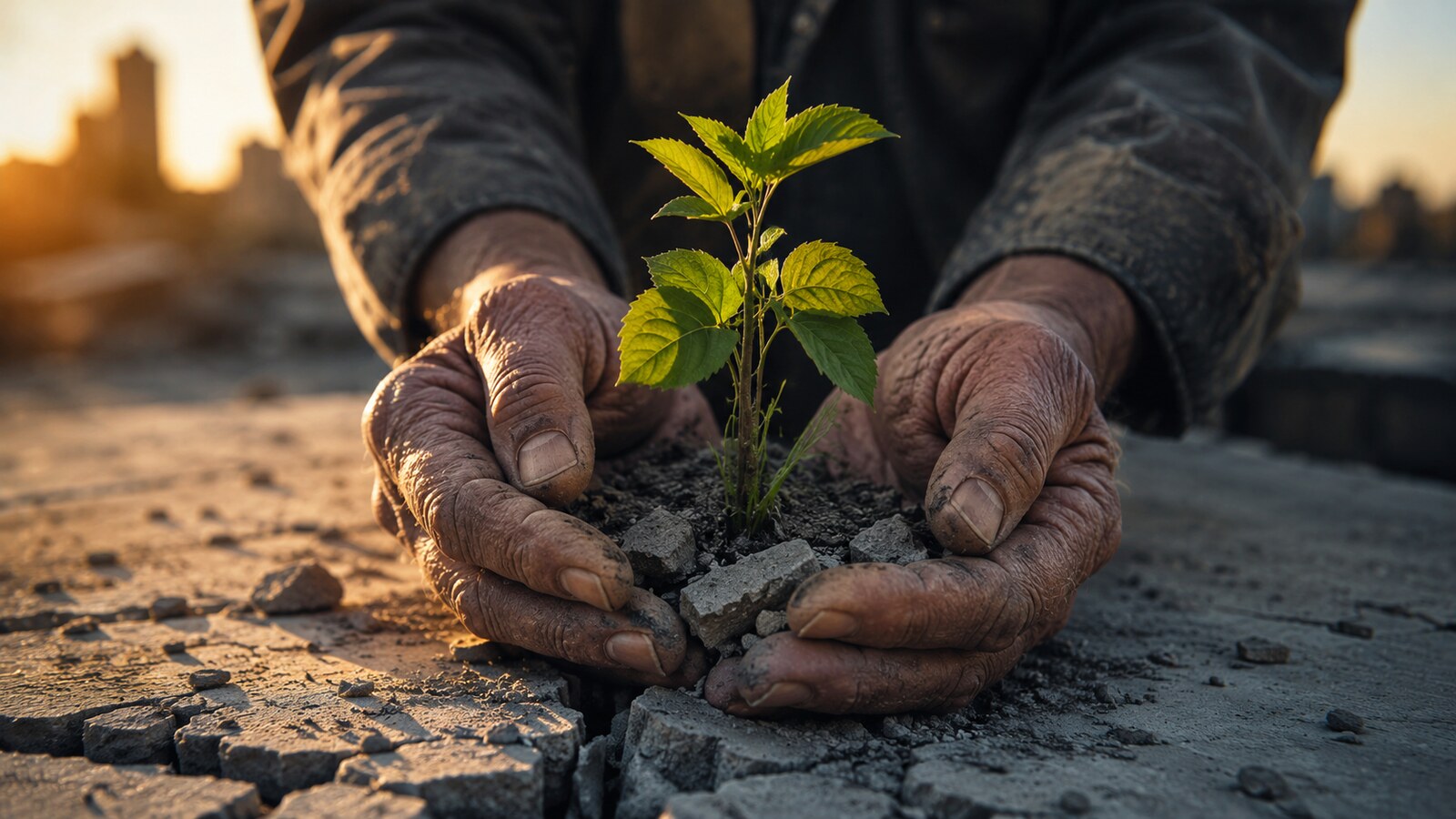

They don't call themselves "green." They don't have a sustainability page. They don't print their carbon footprint on the packaging. They just built a business where the ethical choice IS the business — and it turns out that's also the most resilient model in a world addicted to disposal.
There's a difference between marketing sustainability and being sustainable. The first requires a branding agency. The second requires a different operating system entirely — one where waste isn't an afterthought to manage, but a structural impossibility. These businesses didn't add ethics to their model. They built the model around the ethic (doing one thing with conviction always looks like this).
The Sustainability Lie
Most companies treat sustainability like a feature. A badge on the website. A line in the annual report. "We're committed to reducing our environmental impact." Then they ship products in plastic, design for obsolescence, and measure success in units sold — not units saved.
The businesses worth studying don't do this. They don't add sustainability to what they do. The sustainability IS what they do. The difference is structural, not cosmetic. You can feel it immediately — in the service, the product, the way they talk about their work. There's no gap between the claim and the operation.
These are five of them.
Rescue, Don't Sell
The Furniture Removal Guys in Denver don't sell furniture. They save it. Their service is removal — picking up what people no longer want. But their operating system is redirection: every item gets assessed for donation, recycling, or responsible disposal. The landfill is the last resort, not the default.
This isn't a charity. It's a business model where revenue comes from the removal and value comes from what doesn't get destroyed. The customer pays to clear their space. The environment benefits from what happens next. Both sides win — and the business sits in the middle, profiting from care rather than carelessness.
In a city where dumpster rental is the lazy default, choosing to redirect instead of dump is a competitive advantage disguised as ethics (trust-based businesses always find their audience).
The Chemical-Free Promise
Fresh Tech Maid in Chicago has been cleaning homes without chemicals for nine years. Not "low-chemical." Not "eco-friendly products." Zero chemicals. The product IS the ethic.
They didn't add a green line to their marketing. They removed chemicals from their process. That's subtraction as innovation — taking away the harmful element and building a service around its absence. Every competitor uses chemicals by default. Fresh Tech Maid uses their absence as the entire differentiator.
The Subtraction Principle
Innovation doesn't always mean adding. Sometimes the most powerful move is removing the thing everyone assumes is necessary. What would your industry look like if you subtracted its most harmful default?
Nine years. Multiple awards. A customer base that comes back because they trust what ISN'T in the cleaning solution. That's not a marketing trick — that's an operating system.
Made by Hand, On Purpose
Om Made in Quebec makes vegan cosmetics by hand. Not because machines are expensive — because machines produce uniformity, and uniformity requires preservatives, stabilizers, and the entire chemical infrastructure of mass production.
By choosing handmade, they're not making a lifestyle statement. They're making a structural decision: small batches mean fresh ingredients, natural variation, zero industrial additives. Every product is slightly different because it was made by a human, not an assembly line. In a world of identical products, that variation is the proof of authenticity (imperfection as premium).
The "handmade" label isn't nostalgia. It's a supply chain decision that eliminates the need for everything industrial cosmetics depend on. The ethic produces the product. Not the other way around.
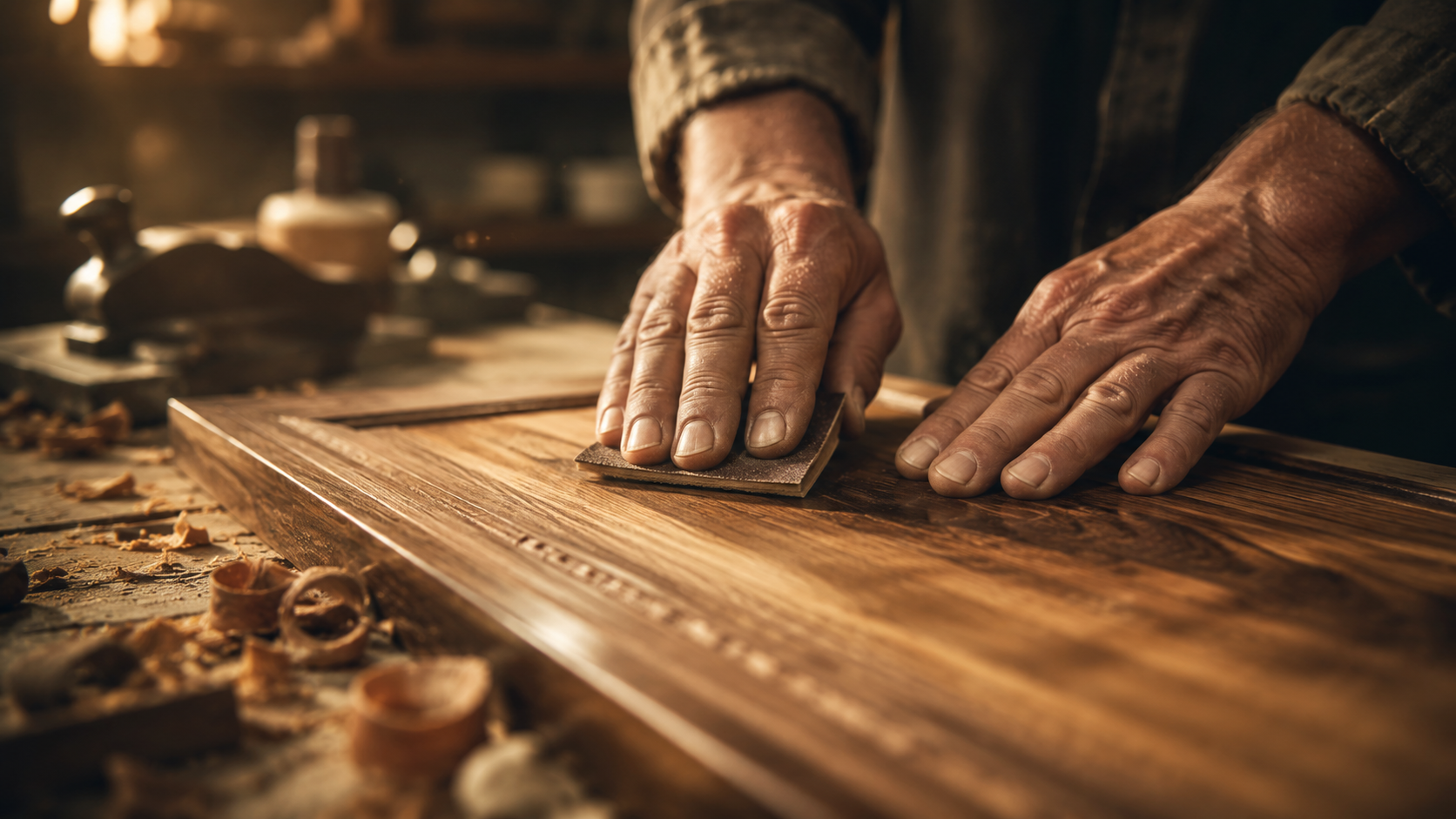
Some businesses don't create new things. They keep existing things alive.
Built to Last, Not to Replace
Beach Lounge Baskets sells outdoor furniture built to endure Australian sun, coastal wind, and years of use. Premium materials. Weather-resistant construction. Four reclining positions and a protective hood designed to last decades, not seasons.
This is the anti-disposable business model. In a market flooded with cheap patio furniture that lasts one summer, Beach Lounge Baskets sells you one chair — once. The price is higher. The replacement rate is near zero. And that's the point.
Durability as ethics. When your product doesn't need replacing, you're not generating waste. When your customer buys once and keeps forever, you've eliminated the cycle of disposal entirely. The business model works because quality commands premium pricing — and premium customers don't return to buy the same thing again. They refer others instead (loyalty through quality).
Fix What Exists
Aokboats in Richmond, BC doesn't sell boats. They fix them. Engine repair, fiberglass restoration, hull maintenance, outboard motor service. Their business is extending the life of what already exists.
A new boat costs tens of thousands. A repair costs hundreds. The customer saves money. The boat stays out of the scrapyard. The business thrives because repair is always cheaper than replacement — and someone has to be skilled enough to do it well.
This is the most ancient business model: the craftsperson who keeps things working. In 2026, it's also the most radical. While every industry pushes toward new purchases and planned obsolescence, the repair business says: "What you have is good enough. Let me make it last longer." That's a philosophy disguised as a service (the old builders understood this).
Why This Wins
In a world of planned obsolescence, the businesses that preserve have a structural advantage that no marketing budget can replicate: loyalty.
A customer who trusts you to fix their boat comes back every season. A client who trusts you to clean without chemicals never switches. A buyer who owns furniture that lasts 20 years tells every neighbor. A customer whose old couch got donated instead of dumped feels good about the transaction — and that feeling creates word-of-mouth no ad can buy.
Disposable products create one-time buyers. Ethical operations create relationships. The math is simple: the cost of acquiring a new customer is 5-10x the cost of retaining one. These businesses don't have acquisition costs — they have retention systems built into their very nature.
The pattern: Every business in this article shares one trait — they made the ethical choice structural, not optional. They didn't ask "how do we reduce waste?" They asked "how do we build a business where waste can't happen?" That's not sustainability. That's architecture.
The next generation of resilient businesses won't be the ones with the best sustainability reports. They'll be the ones where sustainability isn't a department — it's the operating system. No badge required. The work speaks for itself.
If you're building something that preserves, repairs, or refuses to waste — the directory is for businesses like yours. The world needs more of what you're doing (make it official).