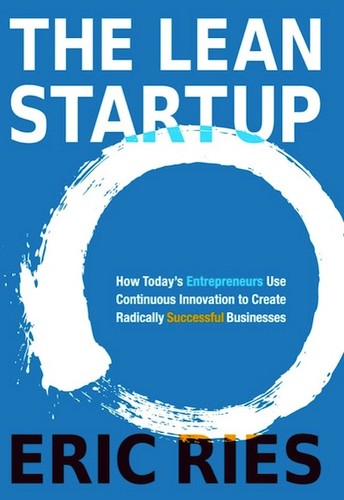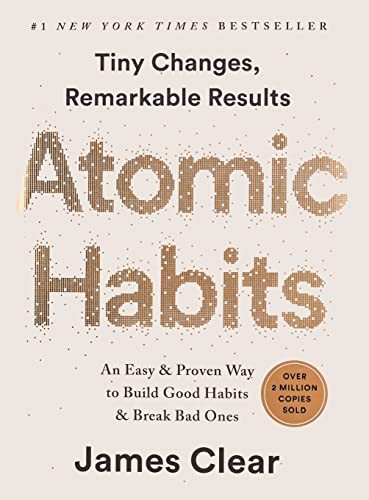

The conventional wisdom says 2-3 years. The data says it depends so wildly on what you're building that a single number is useless. A freelancer can be profitable in week one. A funded SaaS startup takes a median of 4.2 years. A restaurant? Somewhere between 18 months and never. Here's the honest timeline for each model.
Why the "2-3 Year" Rule Is Useless
Every business article repeats the same stat: "New businesses take 2-3 years to become profitable." It's technically true and practically useless — like saying "humans live 73 years" when the range runs from infancy to 110.
Here's what the actual research says:
- 80% of startups take between 2 and 5 years to reach breakeven (Silicon Valley Bank)
- Median time to profitability for funded startups: 4.2 years (Pilot Capital Efficiency Index — 1,000 companies)
- 20% of startups are already profitable at any given snapshot — and another 16% are within two years of it
- 90% of startups fail entirely (Stripe Research) — so every "average" you see is skewed by survivorship bias
- Top-quartile startups: profitable in 2.5 years. Bottom quartile: 6+ years. Same markets — different execution.
The right question isn't "how long does it take?" It's "how long does it take for my model?"
Let's break it down.
The Fast Ones: Profitable in 0-6 Months
Some business models are designed to be profitable almost immediately. They share common traits: low fixed costs, immediate revenue from the first customer, no inventory, and no need for outside capital.
Freelancing / Consulting: Day one.
If you have a skill and a client, you're profitable the moment they pay you. No overhead, no employees, no office. Revenue minus your laptop and internet bill = profit. The constraint isn't profitability — it's scale. But you can launch this weekend and be in the black by next Friday.
Service businesses (cleaning, trades, landscaping): 1-3 months.
Equipment cost is low. First job = revenue. By month two or three, you've covered your initial tool investment and everything after is profit. Trades businesses especially — a plumber with a van is profitable from job one.
Micro-SaaS (solo, bootstrapped): 3-12 months.
The data here is striking: 95% of micro-SaaS businesses reach profitability within 12 months. Compare that to VC-backed SaaS where 84% never even reach $1M ARR. Small, focused, one-person software products built for a specific niche are the fastest path to profitable tech.
Digital products (courses, templates, ebooks): 1-6 months.
Creation cost is time, not capital. Once the product exists, every sale is almost pure margin. A digital product that sells while you sleep can be profitable within weeks of launch if you have an audience — or within a few months if you're building one from scratch.
Marketing / creative agencies: 3-6 months.
Start with one client. Deliver. Get referred. Your costs are your time and maybe a few subscriptions. Most agencies are profitable by client three or four — it just takes a few months to build that pipeline.
Michalowicz on designing for profitability from day one — so your business pays you, not just its bills.
The Pattern
Every business that's profitable in under 6 months shares one trait: the founder's time is the primary cost, and revenue starts before expenses compound. No inventory. No team. No office. Just skill → client → cash.
The Medium Ones: 6 Months to 3 Years
These businesses have real startup costs — inventory, software development, physical spaces — that create a gap between "open for business" and "in the black."
Ecommerce / DTC brands: 12-24 months.
Inventory front-loads your losses. You're spending money on product before you know if it sells. Add customer acquisition costs ($87 median) and it typically takes 12-24 months to dig out of the initial investment. Well-executed niche brands: 6-18 months. Broad-market plays: longer.
Content / media businesses: 12-18 months.
You can't monetize an audience you haven't built yet. Month 1-6 is pure investment — writing, posting, growing. Revenue from ads, sponsorships, or products kicks in once you have traffic. Most content businesses cross profitability around month 12-18 when compounding finally shows up.
SaaS (bootstrapped, small team): 12-24 months.
Revenue grows monthly but so do server costs and eventually team costs. The gap between "making money" and "making more than we spend" usually closes between months 12 and 24 for bootstrapped products with good retention.
Local brick-and-mortar (non-food): 12-24 months.
Lease deposit, buildout, signage, initial inventory. A gym, a salon, a retail shop — you're spending $50K-$200K before the doors open. Recouping that takes 1-2 years of steady revenue. The startup costs determine the timeline more than anything else.
Subscription boxes: 12-18 months.
Logistics complexity + CAC + churn = a slow grind to net positive. You're profitable on each box but underwater on acquisition costs for the first year.
The Slow Ones: 3-7+ Years

The path to profitability is rarely clean — it's receipts, coffee, and one quiet moment where the numbers finally work.
These businesses are either capital-intensive, deliberately growth-focused, or operating in industries with inherently long timelines.
VC-backed SaaS: Median 4.2 years.
This is by design, not by failure. Funded startups choose to be unprofitable — they burn cash to grow faster, betting that market share now creates defensibility later. The median of 4.2 years comes from Pilot's analysis of 1,000 startups. Top quartile hits profitability in 2.5 years. Bottom quartile: 6+.
B2B SaaS (midsize, sales-led): 2-5 years.
Long sales cycles, SDR teams, product investment, customer success hires. Every layer you add pushes breakeven further out. But when it clicks — NRR above 130%, sales cycles shortening, CAC payback under 15 months — it compounds fast.
B2C apps (consumer): 3-7+ years.
Massive user acquisition costs with delayed monetization. You need millions of users before ads or premium tiers generate meaningful revenue. Most never get there — this is why 90% of consumer apps die.
Restaurants: 2-3 years (if they survive).
The hardest profitability timeline in business. 60% of restaurants fail within year one. Those that survive operate on 3-9% net margins — razor thin. Buildout costs ($250K-$500K+), high labor, food waste, and slim pricing power mean even successful restaurants take 2-3 years to recoup their investment. In 2026, 39% of food & beverage businesses report worsening margins.
Hardware / manufacturing: 3-5+ years.
R&D, tooling, molds, certifications, inventory. You're spending millions before selling unit one. Even successful hardware companies take 3-5 years to cross breakeven — and that's if everything goes right.
Biotech / deep tech: 7-12+ years.
Research timelines are non-negotiable. You can't rush a clinical trial or an AI breakthrough. These are venture-backed by necessity and profitability is measured in decades, not months.
The Variables That Shift Everything
Within any category, these factors can 2-3x your timeline in either direction:
Bootstrapped vs funded: Bootstrapped businesses reach profitability 2-3x faster — because they have to. No runway means revenue is survival. Funded businesses choose to delay profitability for growth. Neither is wrong — but they're fundamentally different games.
Solo vs team: Every hire pushes breakeven further out. A solo founder with $5K MRR is profitable and free. Add two engineers at $8K/month each and you need $21K MRR just to break even. Hire carefully and late.
Physical vs digital: Physical businesses carry COGS, inventory, space, and logistics. Digital businesses have near-zero marginal cost. This single variable explains a 2-3x difference in profitability timelines across almost every category.
B2B vs B2C: B2B has higher contract values and faster revenue per customer. B2C needs volume — which needs time and ad spend. A B2B SaaS with 10 customers at $1K/month is at $10K MRR. A B2C app needs 10,000 users at $1/month to get there.
Capital efficiency: The single biggest predictor. Top-quartile companies in Pilot's dataset reached profitability in 2.5 years. Bottom quartile: 6+. Same industries. Same markets. The difference is how carefully each dollar is deployed.
What This Means For You
Now that you know the real timelines, here's how to use them:
If you're starting with no capital: Freelance → agency → productize. Be profitable from month one, then use profits to fund the bigger thing. Don't take on a 4-year profitability timeline when you can start with a zero-dollar model that pays you immediately.
If you're building SaaS: Bootstrapped with a 12-month profitability target beats raising money and delaying profitability for 4+ years — unless you're in a genuine winner-take-all market where speed matters more than efficiency. Most aren't.
If you're opening a restaurant: Know that 60% fail in year one. The survivors take 2-3 years with 3-9% margins. Be honest about whether that math works for your life. Consider food trucks, ghost kitchens, or catering first — faster to profit, lower risk, same industry.
If you're comparing yourself to funded startups: Stop. Their 4.2-year median includes deliberate unprofitability funded by investors. If you're bootstrapping, compare to other bootstrappers — where 95% of micro-SaaS is profitable in under 12 months.
The single biggest predictor of how fast you'll be profitable: how much you spend before you earn. Minimize that gap. Start with the smallest possible version. Get one customer. Get ten. Be profitable small — then decide if you want to sacrifice profitability for growth.
That decision should be a choice, not a accident.
Need help mapping your specific timeline? Build your business plan with realistic profitability projections, or get AI-powered guidance on your model.