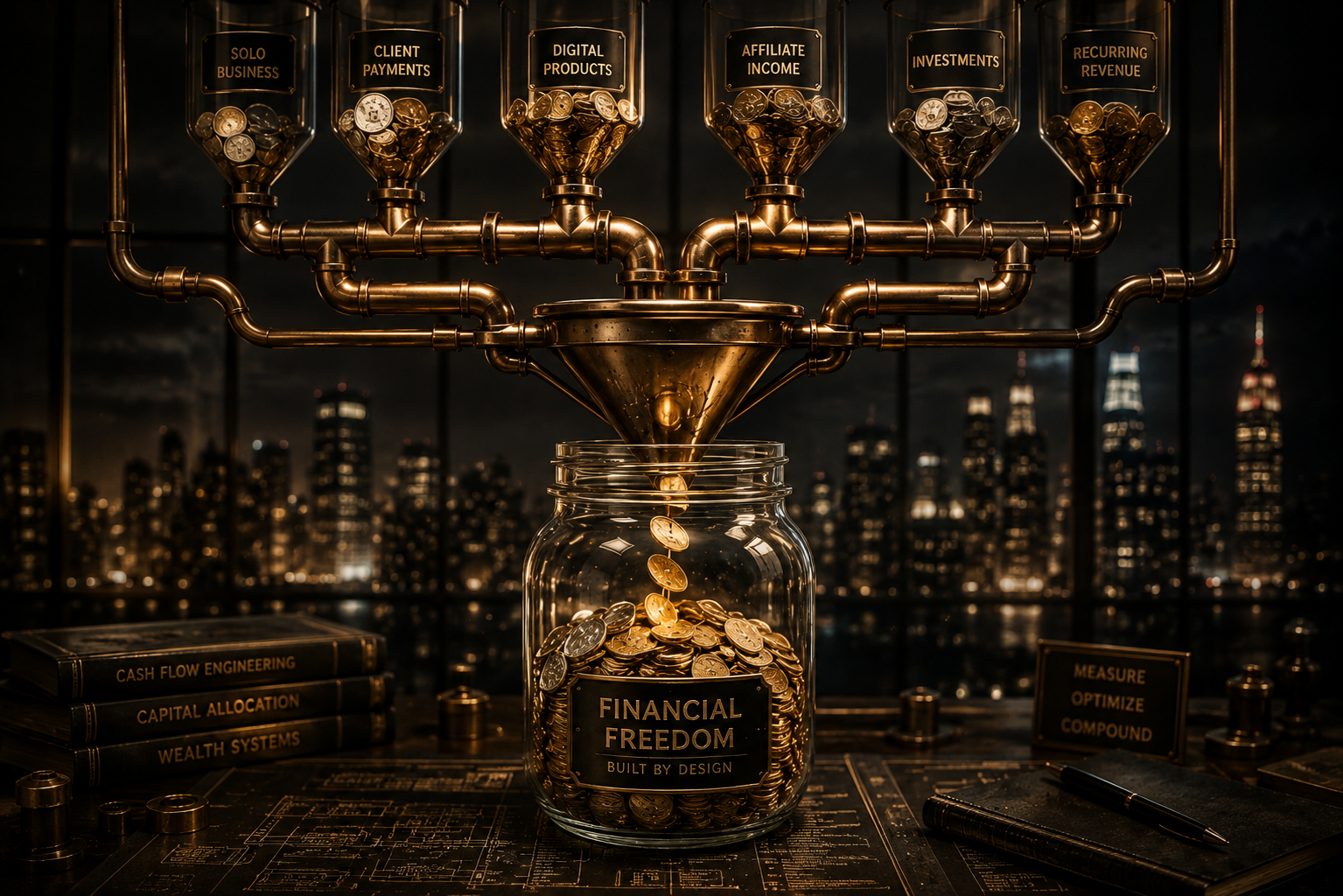

Every crash feels like the end. Every recovery feels like luck. It's neither. The market recovers for the same structural reason every single time — and once you see the mechanism, you'll never panic-sell again.
The Illusion: "The Market Bounced Back"
People say it like a prayer. The market always recovers. They say it in 2008 while watching their portfolio melt. They say it in March 2020 while the world shuts down. They'll say it during the next crash, too.
But most people who say it don't know why it's true. They're treating it as faith — a comforting belief with no mechanism behind it. And faith breaks under pressure. Understanding doesn't.
Here's what actually happened after every major crash: the index recovered. Many individual companies inside it did not. Ever. Enron didn't recover. Lehman Brothers didn't recover. Nortel didn't recover. They went to zero — and yet the index they belonged to eventually hit new highs.
That's not a miracle. That's a mechanical feature most investors never examine.
The Mechanism: Survivorship by Design
The S&P 500 is not a static list of 500 companies. It's a curated list, actively managed by a committee that meets regularly to decide who stays and who gets replaced.
When a company weakens — shrinks, fails, becomes irrelevant — it gets removed. When a company thrives — grows, dominates, innovates — it gets added. This happens constantly. Quietly. Without you noticing.
The TSX Composite works the same way. So does every major index in the world.
This means something profound: the index cannot die. By design, it always holds the strongest companies at any given moment. It's not the same companies recovering — it's a self-upgrading machine that swaps out the dying for the thriving, automatically.
Enron collapses. Gets removed. Apple gets added. The index goes up. That's not recovery. That's evolution baked into the product you're buying.
Think of it like this: you're not betting that specific companies will survive. You're betting that capitalism will continue to produce winners. Those are wildly different bets — and the second one has a much better track record than any individual company in history.
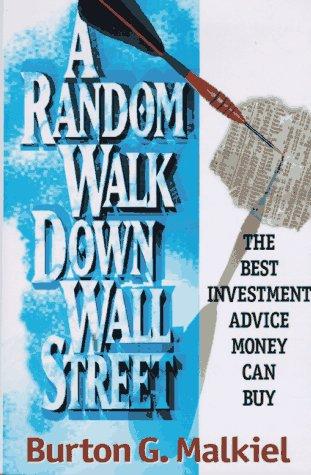
Malkiel\'s classic on why broad index investing beats stock-picking — patience over prediction.
Why This Matters More Than Any Stock Pick
Every person who panic-sold in March 2020 made the same error. They looked at their index fund dropping 35% and thought: "These companies are dying. I need to get out before it hits zero."
But they weren't holding a bag of dying companies. They were holding a self-cleaning machine — one that was already, invisibly, preparing to drop the weak and promote the strong. The machine didn't need their help. It needed their patience.
This is also the real reason index funds beat most stock pickers. Not just because of diversification — that's the textbook answer. The deeper reason: the index automatically fires losers and hires winners. No fund manager does this as ruthlessly, as unemotionally, or as consistently as the index committee.
You, the index investor, benefit from this ruthlessness without lifting a finger. You don't need to spot the next winner. You don't need to dump the next loser. The machine does it for you — and it has zero emotional attachment to any company inside it.
That's not lazy investing. That's structural intelligence.
The Timelines That Change Your Nerve

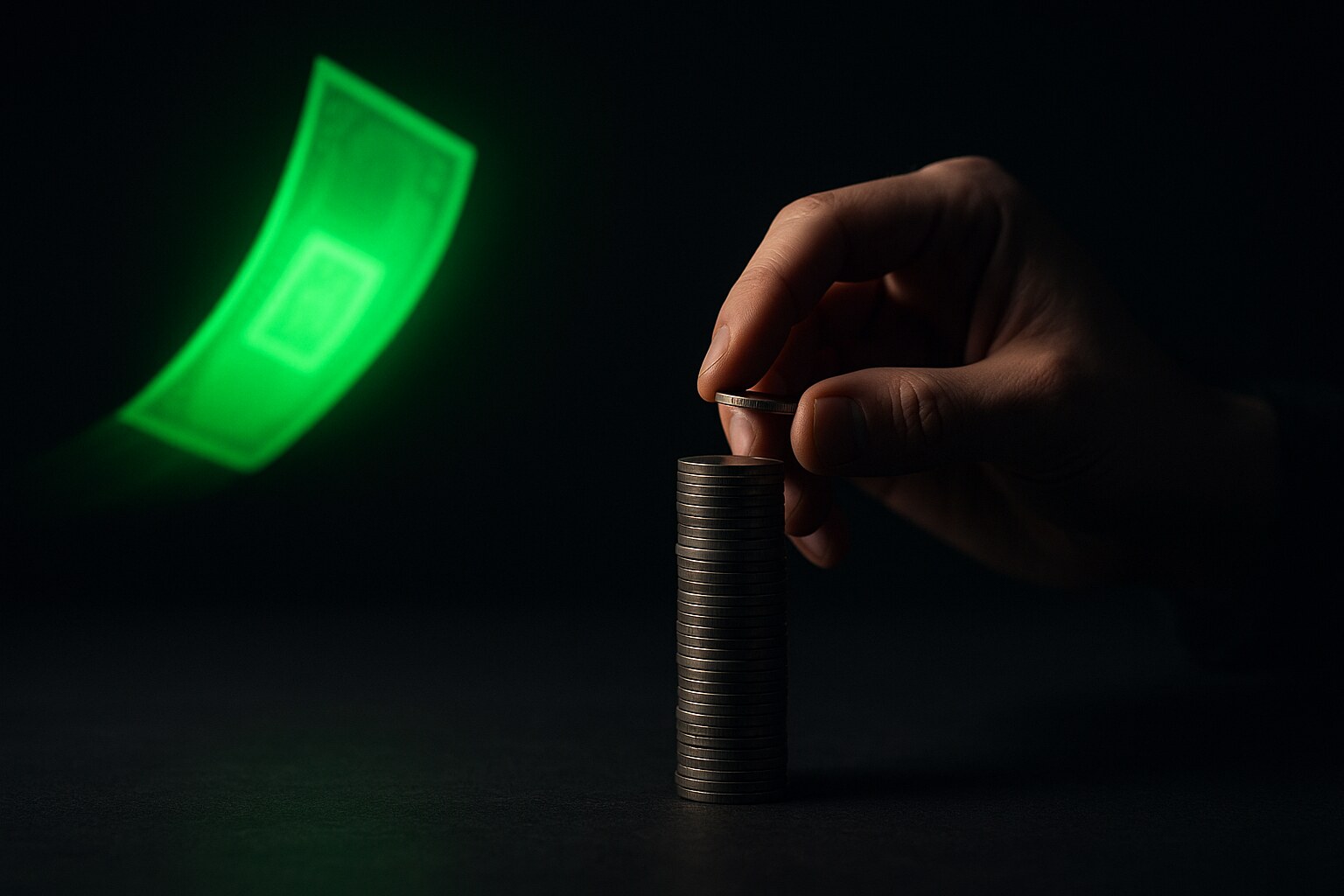
The index doesn't recover by luck — it self-corrects by design, constantly swapping the weak for the strong.
Let's look at the data. Every major crash, and how long the S&P 500 took to return to its previous high:
- 1987 crash: recovered in 2 years
- 2000 dot-com bubble: recovered in 7 years
- 2008 financial crisis: recovered in 5 years
- 2020 pandemic: recovered in 5 months
Notice the trend: recoveries are getting faster. Not because crashes are less severe — but because information moves faster, capital redeploys faster, and the mechanism works faster in a connected world.
The outlier everyone fears is 1929 — the Great Depression — which took roughly 25 years to recover (in nominal terms). But that was a world without index funds, without modern monetary policy, without global capital markets. Using 1929 to predict today's recovery speed is like using horse-and-buggy travel times to estimate your commute.
The reader's real question: "But what if THIS time is different?"
It always feels different. 2008 felt like the banking system was ending. 2020 felt like civilization was pausing. And yet — the mechanism doesn't care how it feels. It just keeps curating. Dropping. Adding. Upgrading.
"This time is different" is the most expensive sentence in investing. It's been said before every recovery in history — by the people who sold at the bottom.
What This Means For You
If you're investing in index funds — through a TFSA, RRSP, or any registered account — and your timeline is 10+ years, you are holding a machine that cannot permanently break. Not because of optimism. Because of how it's built.
The only way to lose with an index fund over a long horizon: sell during a dip. That's it. That's the single failure mode. Not market crashes. Not recessions. Not "unprecedented times." Just you, pressing sell, because you didn't understand the mechanism.
Which means the most valuable thing you can own as an investor isn't a stock pick, a tip, or a strategy. It's understanding why the machine works — because that understanding is what stops you from pressing the button.
The person who knows the mechanism doesn't need courage during a crash. They don't need willpower to hold. They just... know. And knowledge doesn't panic.
The insight
"I'm not hoping the market recovers. I understand why it recovers. So I just don't sell." That's not faith. That's engineering.
The One Move This Demands
Set up an automatic monthly contribution into a broad index fund — inside a TFSA if you're Canadian, tax-advantaged account if you're anywhere else. The amount matters less than the consistency.
Then: do nothing. Let the machine curate. Let compounding accumulate. Let the losers get fired and the winners get promoted without you making a single decision.
When the next crash comes — and it will — you won't panic. You'll watch the machine do what it always does. Drop the weak. Add the strong. March forward.
Not because you believe it will. Because you understand why it does.
That knowledge is worth more than any stock tip you'll ever receive. It's the difference between an investor who builds generational wealth and one who buys high, sells low, and blames the market.
The market isn't unpredictable. Your reaction to it is. Fix that — and the machine does the rest.