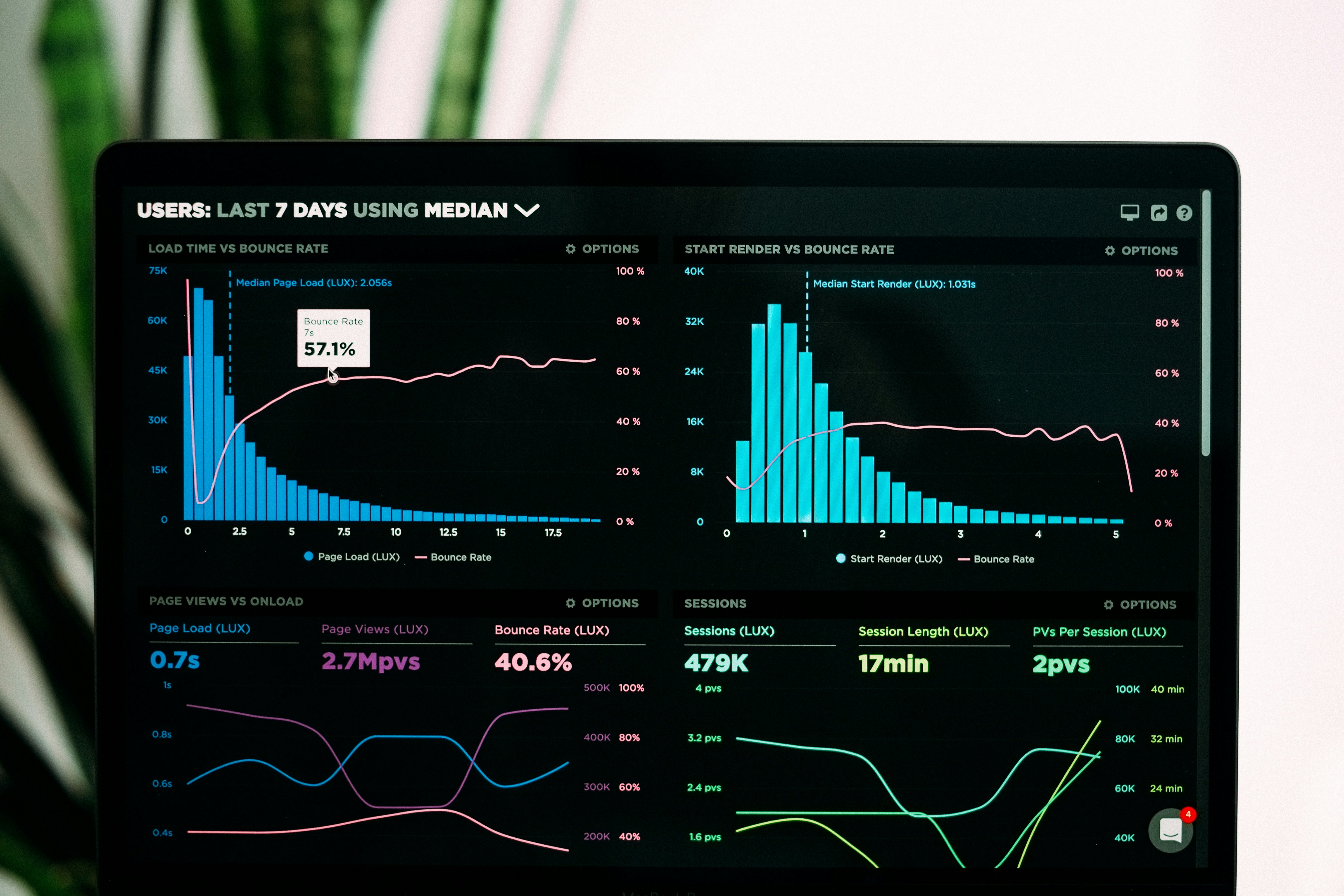
What if I told you that your financial struggles aren't about willpower, discipline, or even income—but about running outdated software that crashes every time you try to build wealth?
Think about it: when your computer runs slowly, freezes constantly, or can't handle modern applications, you don't blame yourself for "lacking discipline." You recognize that the operating system is outdated and needs an upgrade. Yet when our financial lives malfunction—when we can't save money, when investments feel overwhelming, when wealth-building seems impossible—we assume it's a personal failing.
The truth is, your financial life runs on an operating system just like your computer. And most people are running the equivalent of Windows 95 while trying to compete in a world that requires the latest software. This requires a complete financial planning overhaul—not just tweaks, but a system upgrade.
When you need guidance on upgrading your financial systems, get AI-powered coaching that helps you identify and fix your specific system bugs.
The Financial OS Diagnosis: Why Your Current System Keeps Crashing
Let's run a diagnostic on your current financial operating system. Do any of these "error messages" sound familiar?
- "Budget.exe has stopped working" - You start budgets but they crash within weeks
- "Insufficient memory to save money" - Every dollar gets allocated before you can save
- "Investment application not responding" - Investing feels too complex to start
- "Debt reduction process failed" - You pay minimums but balances never shrink
- "Wealth building program not found" - You work hard but net worth stays flat
These aren't character flaws—they're system failures. Your financial OS is running on legacy code that wasn't designed for modern wealth creation. Use our net worth calculator to run a baseline diagnostic on your current system.
System Check
If you're living paycheck to paycheck despite earning decent money, your financial OS has a memory leak. It's consuming resources faster than it can allocate them efficiently.
The Legacy Code Problem
Most of our financial programming comes from outdated sources:
- Depression-era grandparents: "Save everything, trust nothing"
- Boomer parents: "Work 40 years, retire with a pension"
- Industrial-age schools: "Get good grades, get a good job"
- Consumer culture: "You deserve it now, pay later"
This legacy code creates conflicts in your financial OS. Part of your system says "save everything" while another part says "you deserve nice things." The result? System crashes, inconsistent behavior, and poor performance. Better decision-making frameworks can resolve these conflicts.
Real Example: Sarah inherited "never spend money on yourself" programming from her Depression-era grandmother, but also absorbed "treat yourself" messaging from social media. Her financial OS constantly conflicts between extreme frugality and impulse spending, creating a boom-bust cycle that prevents wealth accumulation.
Legacy Financial Programming: The Inherited Code That's Sabotaging You
Every financial operating system runs on core beliefs—the fundamental code that determines how you process money decisions. Most people inherited this code without ever examining whether it actually works.
Common Legacy Beliefs (Buggy Code)
"Money is the root of all evil"
This creates a subconscious resistance to accumulating wealth. Your OS treats money accumulation as a threat to your moral identity.
"Rich people are greedy/lucky/corrupt"
This belief makes your system reject wealth-building behaviors because they conflict with your self-image as a "good person."
"I'm not good with money"
This becomes a self-fulfilling prophecy. Your OS doesn't even attempt to run wealth-building programs because it believes they're incompatible with your hardware.
"Money doesn't buy happiness"
While partially true, this belief often prevents people from pursuing financial security, which absolutely does contribute to happiness and peace of mind.

Legacy financial programming creates system conflicts that prevent modern wealth-building applications from running properly.
The Scarcity vs. Abundance Architecture
Legacy financial operating systems run on scarcity architecture:
- Zero-sum thinking: Someone else's gain is your loss
- Hoarding protocols: Save everything, spend nothing
- Risk aversion algorithms: Avoid all financial risk
- Linear processing: Time = money, more hours = more wealth
Modern wealth OS runs on abundance architecture:
- Value creation focus: Wealth comes from creating value for others
- Strategic allocation: Optimize for growth, not just preservation
- Calculated risk protocols: Risk and reward are correlated
- Exponential processing: Systems and leverage create disproportionate returns
This abundance mindset drives real revenue growth in both personal and business finances.
The Wealth OS Architecture: How Rich People's Systems Actually Work
Wealthy individuals don't have more willpower or discipline—they have better financial operating systems. Their OS automates wealth-building behaviors and makes smart money decisions the path of least resistance.
Want to learn from those who built systematic wealth? Talk to Rockefeller about how he thought about money systems and long-term wealth building.
Core Components of Wealth OS
1. Automated Resource Allocation
Instead of budgeting (manual process), Wealth OS uses automatic transfers that allocate money before you can spend it:
- 20% to investments (automated)
- 10% to emergency fund (automated)
- 5% to education/skills (automated)
- 65% to living expenses (what's left)
This is exactly what the Three-Account Rule implements—automatic boundaries that make wealth-building effortless.
2. Value Creation Protocols
Wealth OS constantly scans for opportunities to create value for others, knowing that money flows toward value creation:
- What problems can I solve?
- What skills are in high demand?
- How can I help others achieve their goals?
- What systems can I build that work without me?
If you're building a business, integrate these principles into your business plan from day one.
3. Compound Growth Engine
Every dollar is evaluated for its growth potential:
- Will this purchase appreciate or depreciate?
- Does this expense generate future income?
- How can I turn this cost into an investment?
- What's the opportunity cost of this decision?
Wealth OS in Action: Instead of buying a \$50,000 car that depreciates, someone with Wealth OS might buy a \$20,000 reliable car and invest the \$30,000 difference. At 8% annual returns, that \$30,000 becomes \$150,000 in 20 years—enough to buy three luxury cars.
The Network Effect Module
Wealth OS recognizes that your network literally becomes your net worth. It prioritizes:
- Strategic relationship building: Connecting with people who share growth mindsets
- Value-first networking: Leading with how you can help others
- Mastermind participation: Regular interaction with people ahead of you financially
- Mentor cultivation: Learning from those who've achieved what you want
Building the right team and network accelerates your financial OS performance exponentially.
Upgrading Your Financial Operating System: The Step-by-Step Migration
Upgrading your financial OS isn't about changing everything overnight—it's about systematically replacing buggy legacy code with modern, efficient programs.
Phase 1: System Backup and Analysis
Document Your Current State
- Net worth calculation (assets minus debts)—use our calculator
- Monthly cash flow analysis (income minus expenses)
- Spending pattern audit (where does money actually go?)
- Financial belief inventory (what do you believe about money?)
Identify System Bugs
- Where does your financial system consistently fail?
- What money decisions do you repeatedly regret?
- Which financial goals have you set but never achieved?
- What beliefs might be sabotaging your progress?
If you're carrying debt, run our debt calculator to understand your baseline obligations before upgrading.
Migration Tip
Don't try to upgrade everything at once. Like any OS upgrade, do it systematically to avoid crashes. Start with one module and perfect it before moving to the next.
Phase 2: Install Core Wealth Modules
Module 1: Automated Allocation System
Set up automatic transfers that happen before you can spend the money:
- Open a high-yield savings account for emergency fund
- Set up automatic investment transfers to index funds
- Create a separate account for skill development/education
- Automate bill payments to avoid late fees
Module 2: Value Creation Scanner
Install mental software that constantly looks for value creation opportunities:
- Daily question: "What problem did I notice today that I could solve?"
- Weekly review: "What skills could I develop that others would pay for?"
- Monthly assessment: "How can I help my network achieve their goals?"
If you're launching a startup, this value creation mindset is your foundation.
Module 3: Investment Growth Engine
Replace "spending" mindset with "investment" evaluation:
- Before any purchase over \$100: "Is this an investment or expense?"
- Monthly investment review: "How are my assets performing?"
- Quarterly rebalancing: "Where should I allocate new money?"
Phase 3: Advanced System Configuration
Tax Optimization Protocols
- Maximize 401(k) contributions (especially with employer match)
- Use HSA as retirement account (triple tax advantage)
- Consider Roth IRA for tax-free growth
- Track deductible expenses throughout the year
Risk Management Firewall
- Adequate insurance coverage (health, disability, life)
- Emergency fund covering 6-12 months of expenses
- Diversified investment portfolio
- Multiple income streams when possible
This builds strategic resilience into your financial life.

The architecture of a modern wealth operating system with automated modules working together to build financial security.
Advanced Features: Automation, Security, and Scaling Your New System
Once your basic Wealth OS is running smoothly, you can install advanced features that accelerate wealth building. This is where AI implementation can automate even more of your financial decisions.
The Compound Interest Accelerator
This advanced module maximizes the power of compound growth:
- Dollar-cost averaging: Automatic investing regardless of market conditions
- Dividend reinvestment: Automatically buying more shares with dividends
- Tax-loss harvesting: Optimizing taxes on investment gains/losses
- Rebalancing algorithms: Maintaining optimal asset allocation
The Leverage Module (Advanced Users Only)
Wealthy individuals use good debt to accelerate wealth building:
- Real estate mortgages: Using bank money to buy appreciating assets (see our homeowner guide)
- Business loans: Borrowing to invest in income-generating activities
- Margin investing: (High risk) Using borrowed money to invest
- Credit optimization: Using credit cards for rewards while paying full balance
Advanced Warning
Leverage amplifies both gains and losses. Only use leverage modules after your basic Wealth OS is running flawlessly and you fully understand the risks.
The Network Expansion Protocol
Your financial OS should actively build valuable relationships:
- Mastermind groups: Regular meetings with growth-minded individuals
- Industry associations: Professional networks in your field
- Investment clubs: Learning and investing with others
- Mentorship programs: Both finding mentors and mentoring others
Building a strong company culture around financial discipline creates accountability and accelerates everyone's progress.
Maintenance Mode: Keeping Your Financial OS Running Smoothly
Like any operating system, your Wealth OS needs regular maintenance to perform optimally.
Monthly System Updates
- Net worth calculation: Track your progress
- Budget variance analysis: Where did you overspend/underspend?
- Investment performance review: How are your assets performing?
- Goal progress assessment: Are you on track for your targets?
Quarterly System Optimization
- Rebalance investment portfolio: Maintain target asset allocation
- Review and adjust automation: Increase savings rates if income grew
- Tax planning check: Optimize for upcoming tax season
- Insurance review: Ensure adequate coverage as wealth grows
Annual System Upgrades
- Complete financial audit: Comprehensive review of all accounts
- Goal setting for next year: What do you want to achieve?
- Strategy refinement: What worked? What needs improvement?
- Education investment: What new skills will accelerate your progress?
Sometimes you need to pivot strategically based on what your financial data tells you.
Success Story: Marcus upgraded his financial OS at age 28. He automated 25% of his income into investments, developed valuable skills in his spare time, and built a network of ambitious peers. By 35, his net worth grew from \$5,000 to \$350,000—not through extreme frugality, but through systematic wealth-building automation.
Your Financial OS Upgrade Starts Now
The difference between financial struggle and financial success isn't willpower, luck, or even income level—it's the operating system running your money decisions.
Most people are running legacy financial software that crashes under modern wealth-building demands. But you don't have to accept system failures as personal failures.
Start your upgrade today:
- Audit your current financial OS: What's working? What's crashing?
- Install one automation module: Start with automatic savings or investing
- Update your core beliefs: Replace scarcity programming with abundance architecture
- Schedule regular maintenance: Monthly reviews and quarterly optimizations
Your financial future isn't determined by your past programming. With the right operating system, wealth building becomes as automatic as your computer's background processes—running smoothly while you focus on creating value and living your life.
When you need to communicate your financial vision to investors or partners, use our pitch deck builder. And practice authentic leadership in managing both your finances and your life.

A properly configured financial operating system automates wealth building, turning complex financial management into simple, systematic progress toward your goals.
The question isn't whether you can afford to upgrade your financial operating system. The question is: can you afford to keep running outdated software that crashes every time you try to build real wealth?
Your upgrade starts with the next dollar you earn. Make it count.

About Emma Nakamura
Emma has helped dozens of companies reimagine their customer experience and marketing strategies. Her innovative approaches blend data-driven insights with creative thinking to drive measurable business results.
More articles by this author