
You think it, and it appears.
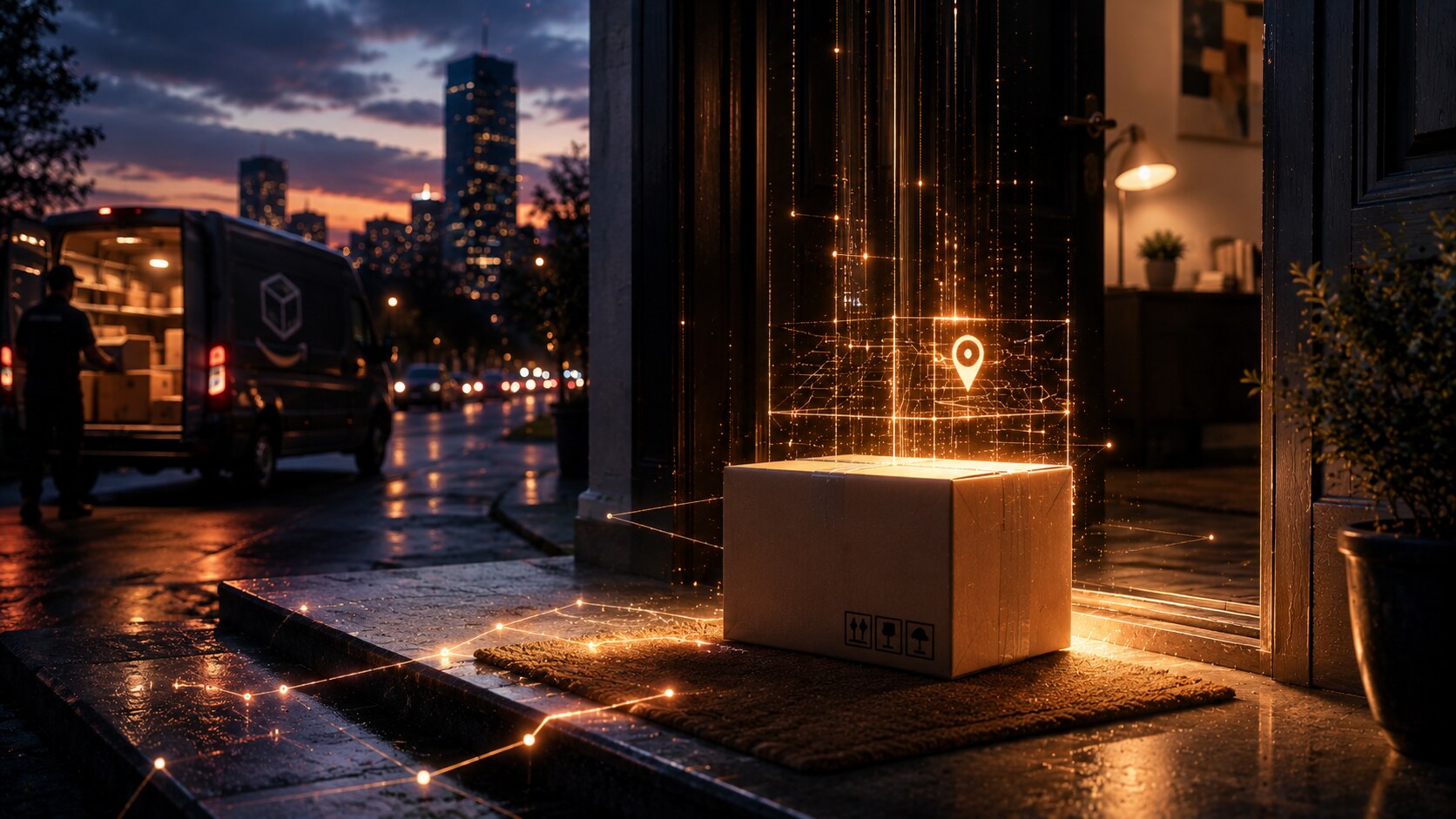
A thought crosses your mind on a Tuesday night — you need it, whatever it is — and by tomorrow it's on your doorstep. No phone call. No drive. No wallet fished out of a pocket. One tap, and the world rearranges itself to bring the thing to you.
We've gotten so used to this that we've stopped seeing it. But stop for a second and look at it clearly: what you just did — turning a fleeting want into a physical object at your door, in hours, without friction — would have looked like sorcery to someone thirty years ago. It's not sorcery. It's one of the most quietly brilliant feats of engineering humanity has ever pulled off. And almost nobody notices. It's the kind of invisible math of small decisions that runs our lives without ever asking for attention.
Let's notice.
The Enemy Was Always Friction
For most of human history, buying something was work. You traveled to where the thing was. You waited for a season, a shipment, a market day. You haggled. You carried it home yourself. Every purchase came wrapped in friction — time, distance, effort, doubt.
The entire story of commerce is the story of removing that friction, one layer at a time. The general store put many goods under one roof. The mail-order catalog brought the store to your mailbox. The credit card erased the need to carry cash. Each invention did the same fundamental thing: it removed a reason to not buy. If you've ever wondered what a dollar actually is, this is part of the answer — money itself was an early technology for killing friction.
Then the internet arrived and turned that slow evolution into a sprint. The early online stores were clumsy — long forms, re-typing your card every time, checkouts that lost your cart if you sneezed. But the direction was clear. Every year, one more piece of friction died. And the closer commerce got to zero friction, the more it started to feel like something else entirely: not shopping, but thinking a thing into existence.
The Psychology of "Just Buy It"
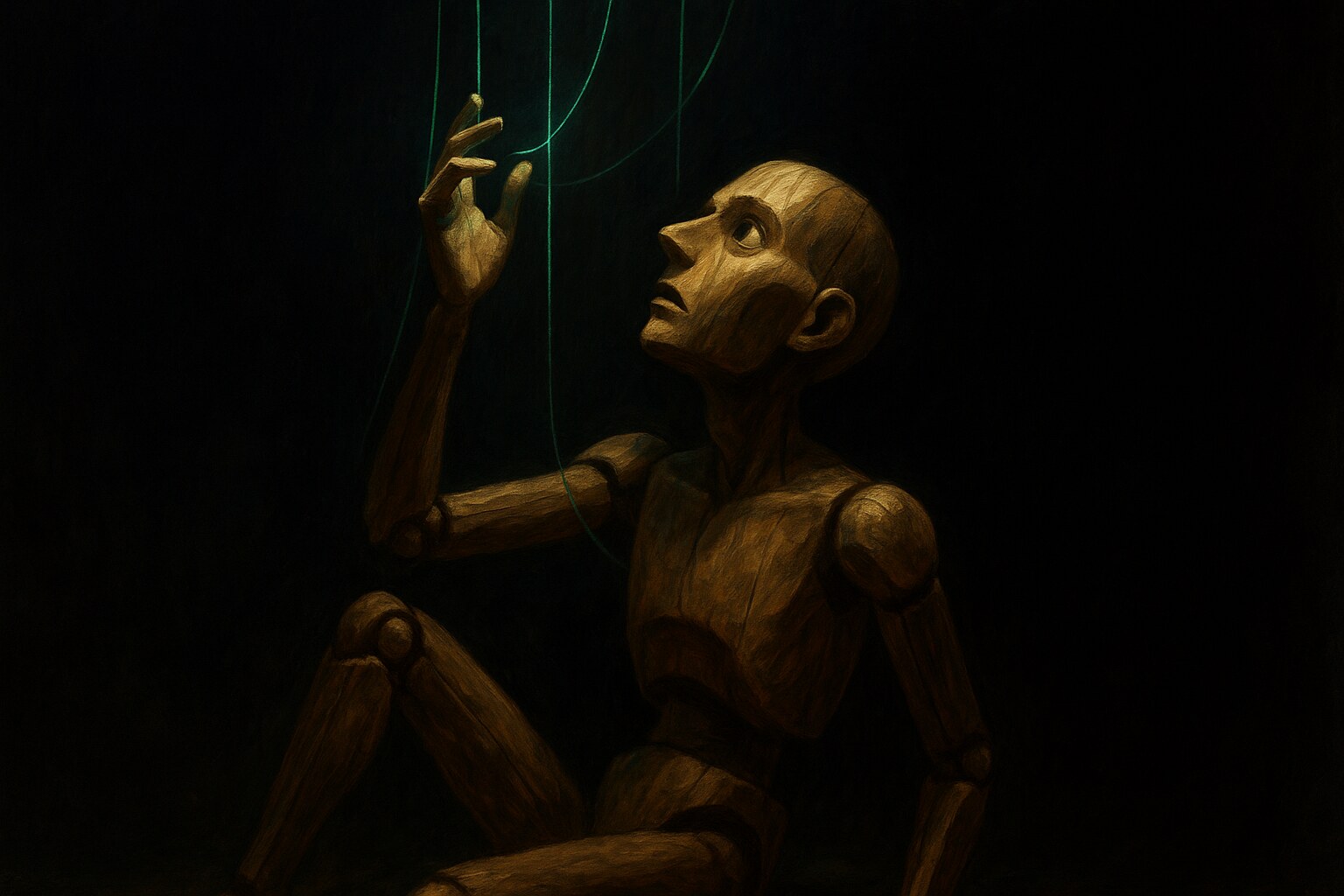
Here's what most people miss: the hardest part of a purchase was never the payment. It was the hesitation.
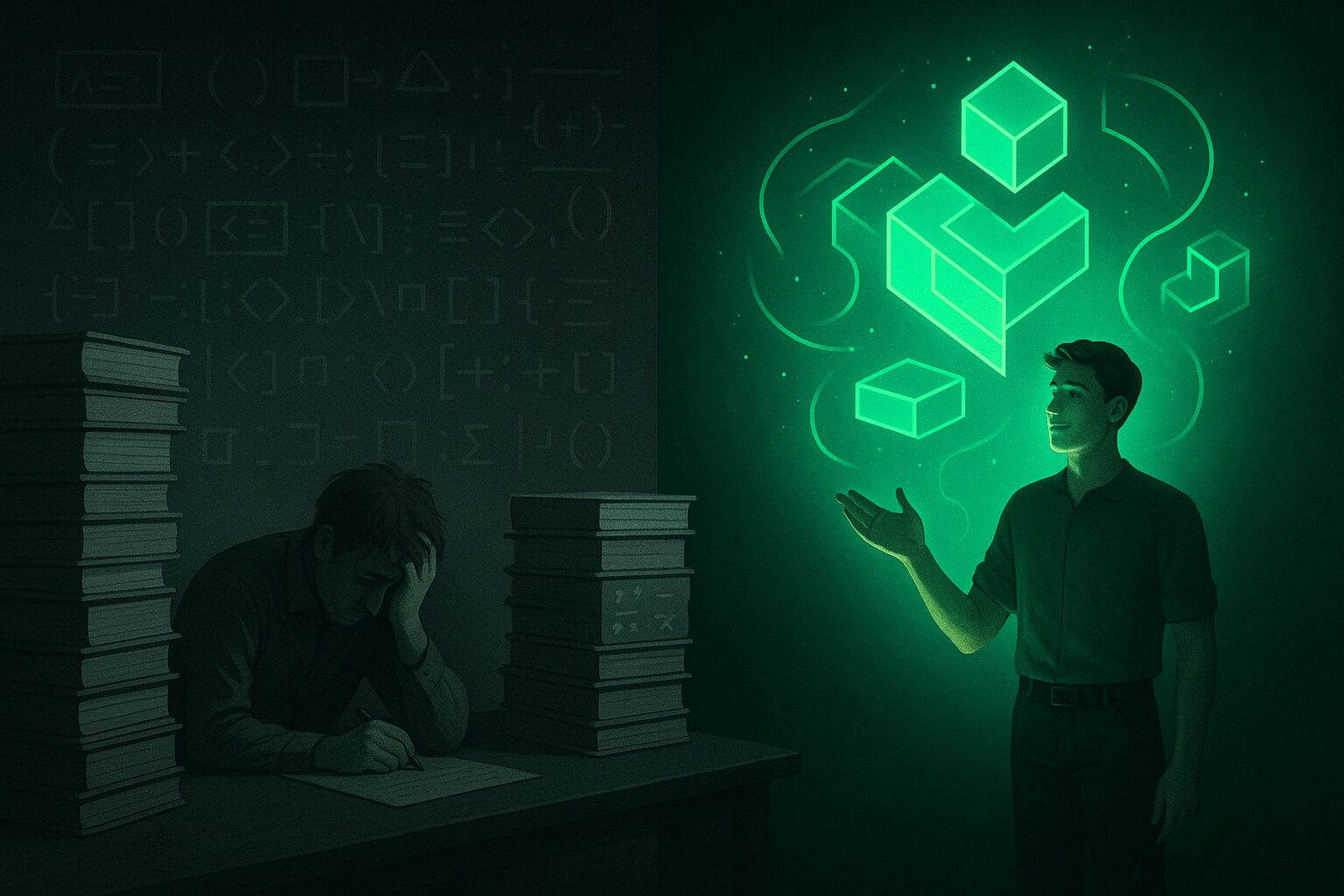
Every extra step — a form to fill, a card to find, a decision to reconsider — is a moment where your brain can talk itself out of the whole thing. Psychologists call it cognitive load, and it's the silent killer of good intentions. The more a task makes you think, the more likely you are to abandon it. It's the same machinery behind every cognitive bias in business decision-making — the mind looks for a reason to defer, and usually finds one.
Insight
The moment of "yes" is fragile. Every second of doubt you introduce is a second in which it can quietly turn into "maybe later" — which almost always means never.
This is why the single most valuable idea in modern commerce might be the humble "buy now" button. When Amazon patented one-click purchasing in 1999, people scoffed — how do you patent a button? But they'd understood something profound: every click you remove between wanting and having is a hesitation you never give the brain a chance to have. One click isn't about convenience. It's about protecting a decision from your own second-guessing. It's a masterclass in how good decisions get made — by removing the space where bad ones sneak in.
The genius wasn't the technology. It was realizing that the real enemy lived in the half-second of doubt — and engineering that doubt out of existence. It's also the psychology of being chosen: we commit fastest to the things that ask the least of us.
The Invisible Machine
Behind that one tap sits a machine most people never see — and it's breathtaking.
Before you even search, recommendation engines have studied millions of buying patterns to guess what you'll want, often correctly. When you read reviews, you're leaning on a vast system of social proof — thousands of strangers doing your due diligence for free. This is the quiet backbone of the trust economy: businesses you choose once and never think about again. And the logistics border on prophecy: the largest retailers now position inventory near you before you order it, predicting demand by region so the thing is practically already on its way when you decide.
Even the parts that feel small are deliberate. The site that remembers you. The cart that follows you across devices. The checkout that already knows your address. None of it is accidental. Each detail is a friction someone identified, studied, and surgically removed. It's decades of human ingenuity — logistics, data science, behavioral psychology, interface design — all pointed at a single goal: making the distance between want and have disappear. It's the same principle behind building a scam-proof business where trust becomes the product — reduce what the customer has to risk, and they stop hesitating.
When you see it that way, the thing you do without thinking every week stops looking ordinary. It starts looking like a wonder — the kind of thing the great builders of history would have marveled at.
What Frictionless Teaches Every Founder
Here's why this matters beyond your doorstep.
If you build anything — a business, a product, a service — the lesson of frictionless commerce is the most important one you'll ever learn: every friction you remove is a "yes" you unlock. Every extra form on your signup, every unclear price, every confusing step between someone wanting what you offer and getting it — each one is a place where a customer quietly talks themselves out of you. This is the real engine of customer retention, and it starts the very first time someone tries to say yes.
The companies that won the last thirty years didn't have better products, necessarily. They had smoother paths. They obsessed over the half-second of doubt and engineered it away. You can do the same, at any scale, starting today: watch someone try to buy from you, and count the hesitations. Then kill them, one by one. It compounds — the same way 1% per day compounds into exponential growth.
Try this: Map your own "want to have" path. If you sell a service, could a first plan be drafted in one step? Our business plan generator turns an idea into a full plan in seconds — friction removed. Raising money? A pitch deck built in minutes beats one stuck in "almost ready" for a month. Even clarity is friction removal: run your message through the corporate speak translator so nobody has to work to understand you. And before you plan the climb, know where you stand with the net worth calculator.
The magic was never really about shopping. It's about what becomes possible when you respect how precious — and how fragile — a person's "yes" truly is. Whether you're launching a startup or deciding to go solo, the builders who win are the ones who make saying yes feel like no decision at all.