
Stand where we are today and look back. Three years ago, a chatbot writing one coherent paragraph felt like magic you'd screenshot and send to a friend. Today it drafts your contracts, writes your code, reads your X-rays, and sits in your pocket like a utility you forgot to be amazed by. Nothing about the world changed shape. Everything about how work gets done did. This is the story of how fast the ground moved — told backward from the finish line, so you can feel the speed.
Most people lived through this race without ever seeing the track. A new model dropped, a headline flared, it faded, and life went on. But line the releases up in order and a pattern emerges that's almost violent in its steepness. The gap between "impressive demo" and "runs your business" collapsed from years to months. If you've felt behind lately, you're not slow. The curve is just that cruel. Here's the whole thing, laid flat.
Day Zero: November 30, 2022
The starting line is exact. On November 30, 2022, OpenAI released ChatGPT — a free research preview built on GPT-3.5. It wasn't the first large language model, and it wasn't even OpenAI's most powerful one at the time. It was simply the first that anyone could talk to without a manual.
That accessibility was the entire revolution. ChatGPT reached one million users in five days and an estimated hundred million in two months — the fastest-adopted consumer product in history to that point. Not because the technology was new, but because it was finally usable. The barrier between "AI exists in a lab" and "AI is on my phone" vanished overnight. Everything that follows is measured from this day.
2023: The Year It Got Serious
If 2022 was the spark, 2023 was the fire catching. In March 2023, OpenAI released GPT-4 — and the leap was unmistakable. Where GPT-3.5 was a clever writer, GPT-4 could reason: it passed professional exams, handled multi-step logic, and later gained the ability to see images, not just read text. The toy became an instrument.
Then the field cracked open. Meta's LLaMA models leaked and were soon released openly, handing powerful AI to anyone with a decent computer and detonating a global wave of open-source experimentation. Anthropic pushed Claude into the arena with a reputation for being careful and clear-headed. Google, caught flat-footed by ChatGPT, scrambled and shipped. By the end of 2023, it wasn't one company with a chatbot. It was a race — and the racers knew it.
2024: The Senses, the Speed, and the Price War
2024 was the year the models grew senses. OpenAI's GPT-4o ("o" for omni) could hear and speak and see in near real time — you could hold a conversation out loud and be interrupted mid-sentence like a human exchange. Anthropic's Claude 3 family, and the Claude 3.5 generation that followed, became the quiet favorite of people who write code for a living. Google's Gemini pushed context windows to lengths that let a model swallow entire books at once.
Two things changed underneath the headlines, and they mattered more than any single launch. First, price collapsed. The cost to run a capable model fell by an order of magnitude, turning features that were luxuries into defaults. Second, the labs stopped only chasing raw knowledge and started chasing reasoning — models that take time to "think" before answering. The race was no longer about who knew the most. It was about who could work through a problem.
2025: Thinking Machines and the Open-Weight Shock
By 2025, "reasoning models" were the main event. A new class of systems paused to deliberate — breaking hard problems into steps, checking their own work, trading a few seconds of latency for a large jump in reliability on math, code, and logic. The experience of using AI shifted from "autocomplete that's eerily good" to "a colleague who thinks before speaking."
And then the ground shifted again from an unexpected direction. Open-weight models — released freely, runnable on your own hardware — closed much of the gap with the frontier. A capable model you fully controlled was no longer years behind the best paid one; it was months, sometimes weeks. For a solo founder or a small team, this was the real liberation: frontier-grade intelligence without a frontier-grade bill. The question stopped being "which company's AI do I rent?" and became "which intelligence do I want on my team?"

2026: The Year the Models Learned to Act
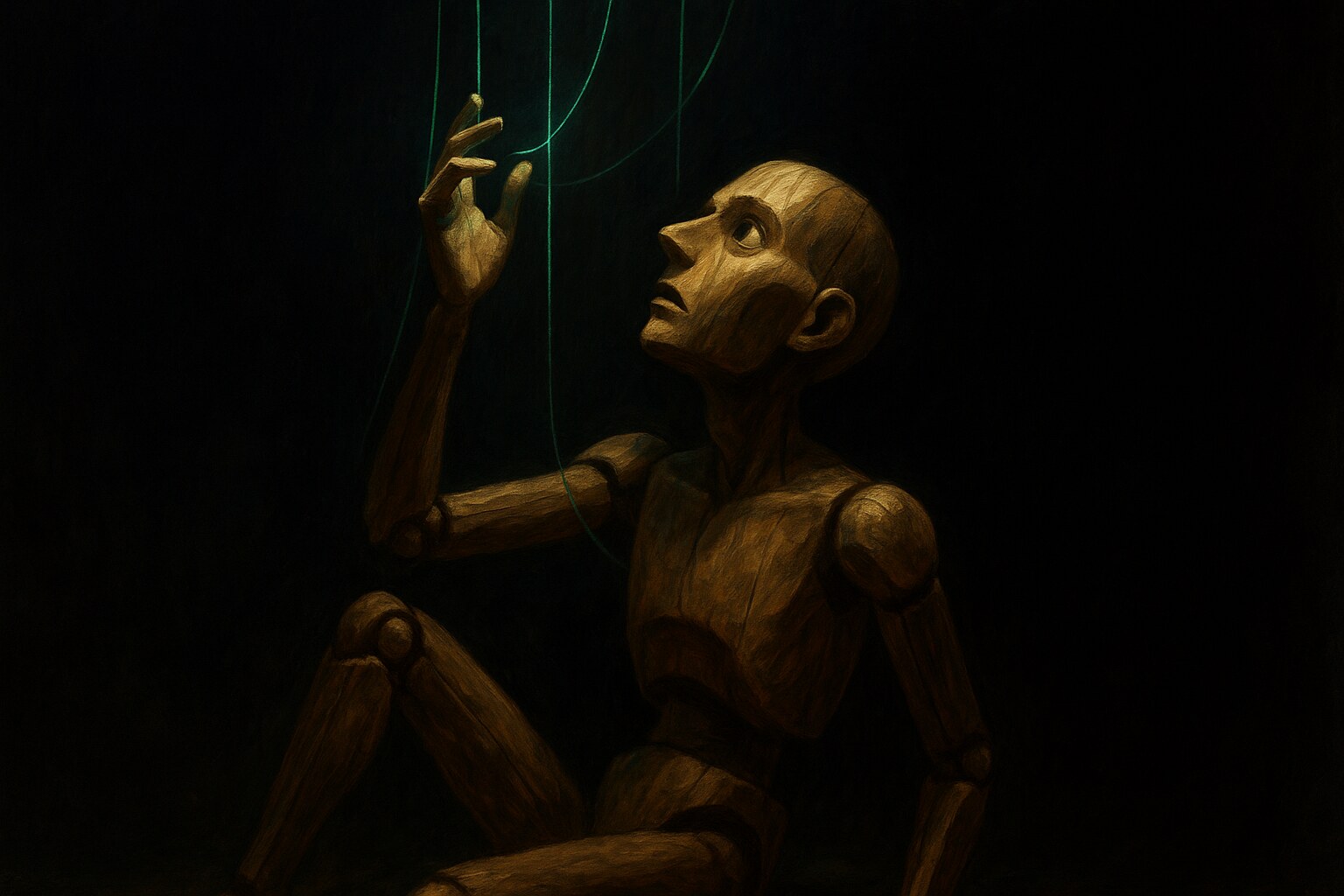
Which brings us to now. The defining shift of 2026 isn't a smarter chatbot — it's the move from answering to acting. The frontier models of this year don't just tell you what to do; connected to your tools, they do it: book the meeting, send the draft, run the analysis, ship the task — while you keep the keys and approve what touches the real world.
The pace that started with a chatbot writing a single clean paragraph now produces systems that run multi-step work end to end. That's the vertigo. In the span of roughly thirty-four months — not thirty-four years — we went from "it can write" to "it can do." No consumer technology in living memory compressed that far, that fast.
What the Curve Actually Means for You
Lined up in order, the releases tell a story no single headline could: the time between a capability appearing in a lab and that capability becoming ordinary kept shrinking. Vision went from GPT-4's party trick to a baseline. Voice went from a demo to a feature. Reasoning went from frontier to default. Each wave arrived faster than the last, and each one reset what "behind" means.
Here's the honest takeaway, free of hype. You do not need to have watched every release to benefit from the race — you need to understand that the race happened, that it's still running, and that the tools on your desk today are more capable than the ones that made headlines a year ago. The companies that pulled ahead this cycle weren't the ones with the biggest models. They were the ones who put the available intelligence to work while everyone else was still deciding whether to.
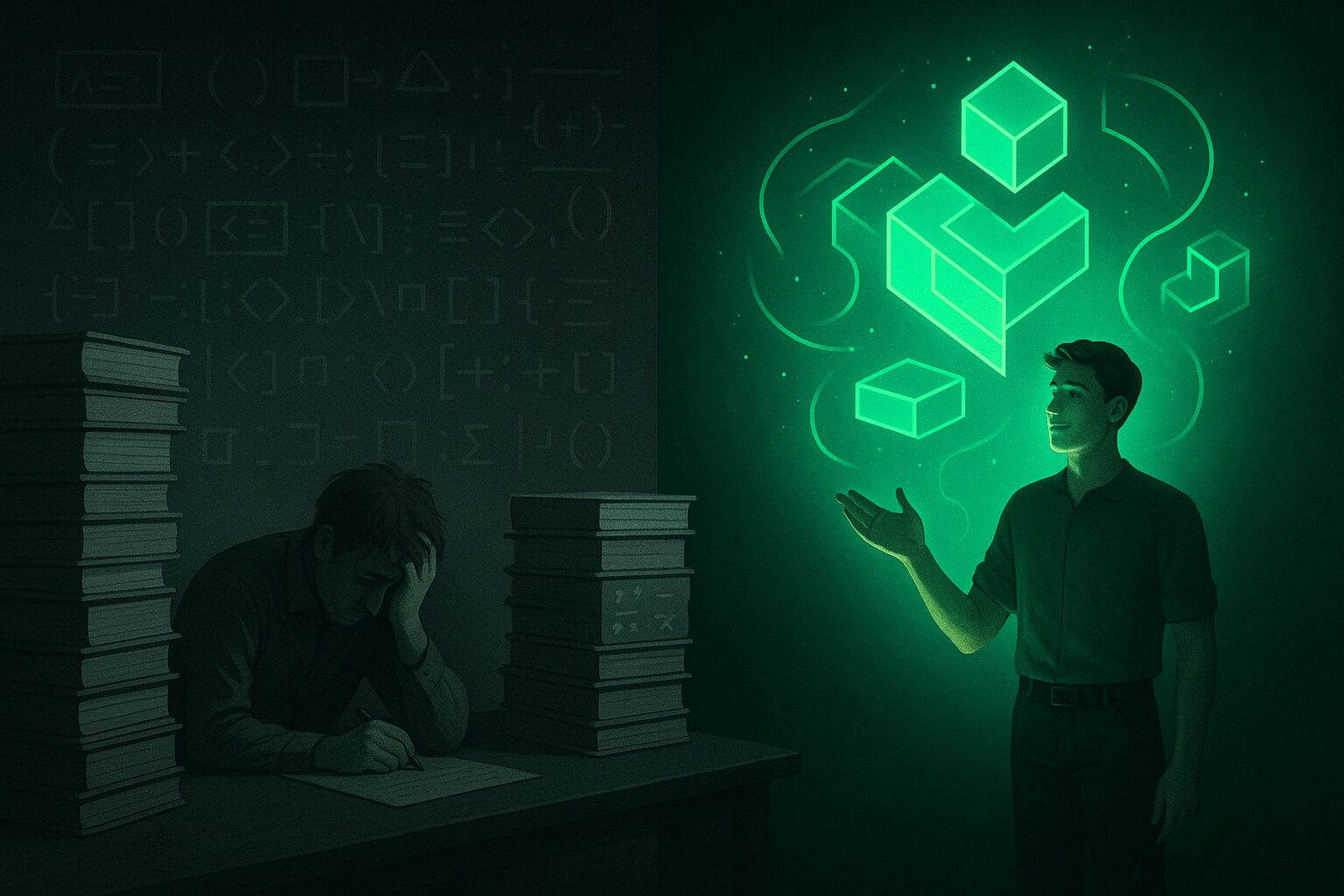
If you're trying to catch up, don't start by studying the models. Start by using one for real work — a task you actually do, not a toy prompt. The gap between the people winning with AI and the people watching from the sidelines was never about knowing the most. It was about handing off the right work and keeping your judgment on top. The race rewired the world. Whether it rewires your business is still, for now, your call.
Keep reading
The models were only half the story — the other half is how we use them. On that: what a great assistant actually does, why yelling at your AI doesn't make it try harder, the strange moment it started to want, where AI is heading in 2026, the free tools worth your time, and why being found changed when the machines started reading. For the odd corners: whether to say "please" and why the second answer is often better.