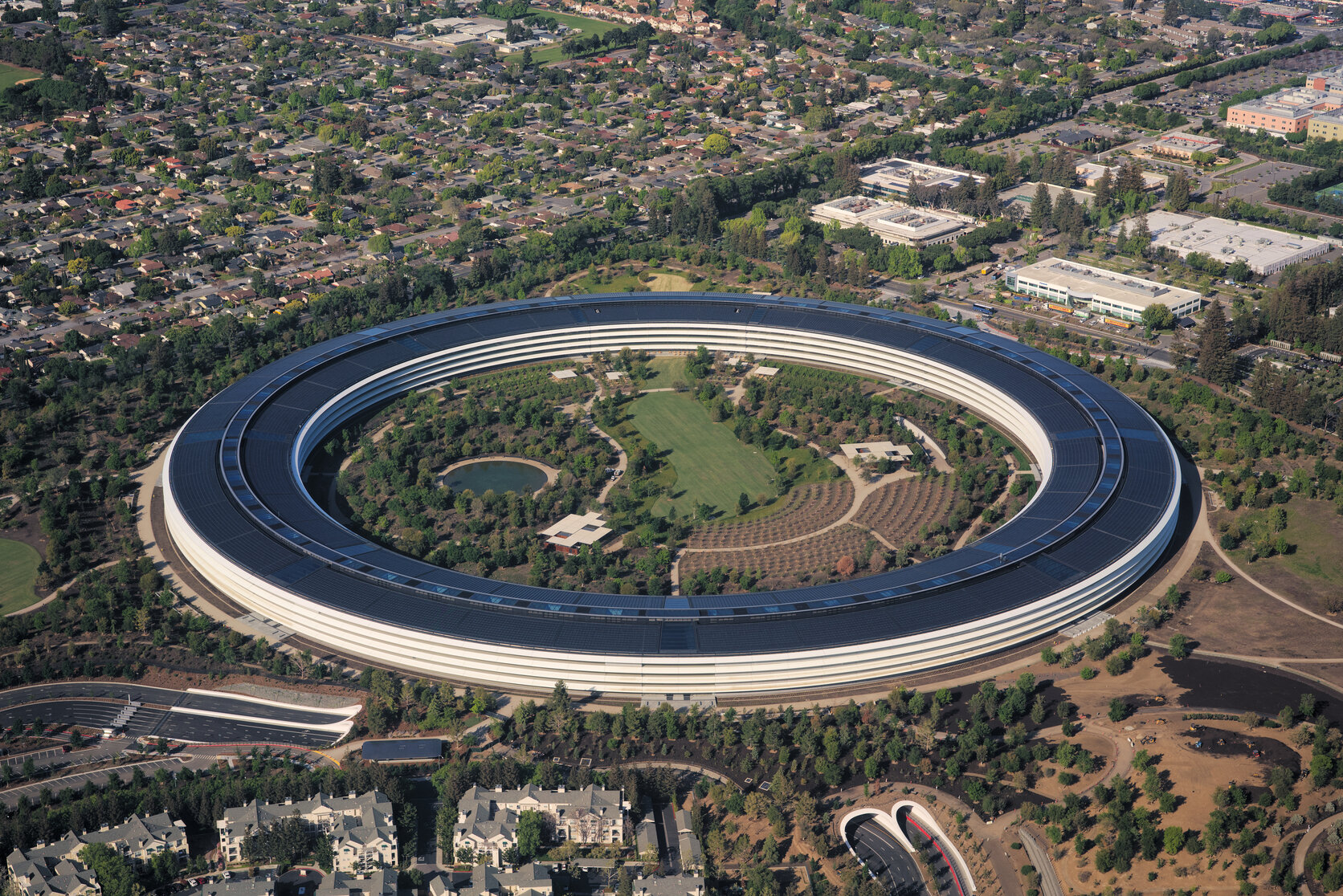

Steve Jobs died in October 2011. Apple's market cap was $350 billion. Today it's over $3 trillion. The most valuable company in human history was built after its visionary left. That fact alone tells you something most people misunderstand about how great companies actually work.
The Myth and the Reality
The popular narrative: Apple was Steve Jobs. Without him, it would slowly decline — coasting on inertia, losing its creative edge, becoming another Microsoft. The doomsayers were loud. They were also completely wrong.
What actually happened: Tim Cook's Apple grew revenue from $108 billion (2011) to over $383 billion (2023). It expanded from a hardware company into a services empire. It built its own silicon. It turned privacy into a product. It made the most successful wearable device in history.
This isn't a story about one man's legacy. It's a story about what happens when a company transcends its founder — and why that's the highest compliment a founder can receive.
Apple Silicon: The Vertical Integration Bet
In 2020, Apple announced what might be its boldest strategic move since the iPhone: abandoning Intel processors and building its own chips. The M1 landed like a quiet earthquake.
The numbers:
- M1 MacBooks delivered 2-3x the battery life of Intel equivalents — overnight
- Performance-per-watt leapt ahead of everything in the industry
- The M-series chips now power everything from laptops to pro desktop workstations
- Apple controls its entire stack: chip design, hardware, OS, and software integration
Why this matters for any business: Apple proved that vertical integration — owning your core technology instead of renting it from a supplier — creates advantages that competitors literally cannot replicate without years of investment. Intel couldn't respond. AMD couldn't match the efficiency. The gap isn't shrinking.
The lesson isn't "build your own chips." It's: identify the dependency at the center of your business — the thing a supplier controls that determines your product quality — and ask whether owning it would create an insurmountable advantage.
The Services Pivot: From Hardware Cycles to Recurring Revenue
Apple's most underrated transformation isn't a product. It's a business model shift.
The numbers:
- Services revenue: $85 billion/year (2023) — up from $16 billion in 2015
- Services gross margin: ~70% (vs ~36% for hardware)
- Over 1 billion paid subscriptions across Apple's platforms
- Apple Music, TV+, Arcade, iCloud, Apple One, News+, Fitness+ — a portfolio approach
Hardware revenue is cyclical — people replace phones every 3-4 years. Services revenue is monthly. The shift from "buy a device every few years" to "pay Apple every month forever" is the same subscription economy transformation reshaping every industry — but executed at a trillion-dollar scale.
For any business owner reading this: Apple didn't abandon hardware. It made hardware the distribution channel for recurring revenue. The iPhone isn't the product anymore — it's the gateway drug to $20-30/month in subscriptions. That reframe is available to any business, at any scale.
Ecosystem as Moat
Apple's real competitive advantage isn't any single product. It's the cost of leaving.
iPhone + Mac + Apple Watch + AirPods + iPad + iCloud + Apple Music + shared subscriptions + family photo libraries + iMessage + FaceTime. Each product alone has competitors. Together, they create a switching cost so high that most people never leave.
This is customer retention engineered at the architecture level — not through dark patterns or contracts, but through genuine utility that compounds the more Apple products you own. Your watch unlocks your Mac. Your AirPods switch between devices seamlessly. Your photos sync everywhere. Leaving Apple means leaving all of it simultaneously.
The business insight: retention isn't about preventing cancellation. It's about making your product more valuable the longer someone uses it and the more they integrate it into their life. Apple doesn't lock you in. It makes leaving expensive because staying is genuinely better.
Privacy as Product
While Google and Meta built empires on data extraction, Apple made a contrarian bet: privacy as competitive advantage.
- App Tracking Transparency (ATT): Required apps to ask permission before tracking. Cost Meta an estimated $10 billion in ad revenue. Positioned Apple as the defender of users.
- On-device processing: Face ID, Siri processing, health data — computed locally, never sent to Apple's servers
- Mail Privacy Protection: Hides IP addresses and blocks tracking pixels in email
This isn't altruism. It's strategy. Apple doesn't need your data because it makes money selling hardware and services, not ads. So "protecting your privacy" costs Apple nothing while devastating competitors whose entire model depends on surveillance. Brilliant strategic positioning — turning an ethical stance into a weapon.
The lesson for smaller businesses: find the thing your competitors can't do because of their business model — and make it your defining feature. Trust is a product. Sell it.
What Jobs Would Have Thought
The criticism of Tim Cook's Apple is always the same: "Jobs would never have done that." No Apple Car. No revolutionary new category (yet). The Vision Pro is expensive and niche. The innovation is incremental, not explosive.
But here's what the critics miss: Jobs built a $350 billion company that depended on one genius. Cook built a $3 trillion company that depends on no one. Which is the better outcome?
Jobs was the artist. Cook is the architect. The artist makes the masterpiece. The architect makes the building that houses masterpieces for generations. Both are essential — but only one ensures survival beyond a single lifetime.
The Playbook
Apple's post-Jobs strategy distilled: own your core technology, build switching costs through genuine utility (not contracts), turn hardware into a distribution channel for recurring revenue, and find the ethical stance your competitors can't afford to take. That's not one innovation — it's a system of reinforcing advantages.
What This Means For Your Business
You don't need Apple's resources to apply Apple's thinking:
- Own your core dependency. What's the one thing a supplier or platform controls that determines your quality? Can you bring it in-house? Even partially?
- Build recurring revenue. If you sell once and pray they come back — you're playing hardware cycles. Find the monthly value you can deliver. Recurring revenue changes profitability timelines entirely.
- Make leaving expensive through value, not friction. The more integrated your service becomes in someone's workflow, the more they stay — willingly. That's the difference between retention and hostage-taking.
- Find your privacy move. What's the ethical position your competitors can't take because their business model prevents it? That's your Apple-level differentiator waiting to be claimed.
- Build beyond yourself. If your business depends entirely on you — you've built a job, not a company. Apple's greatest achievement wasn't the iPhone. It was building something that thrived without its founder.
The post-Jobs era wasn't a decline. It was proof that the system Jobs built was more powerful than the man who built it. That's not a loss of vision — it's the fulfillment of it.
Building something that outlasts you? Start with your plan. Or ask the legends — Jobs himself might have something to say about what he left behind.