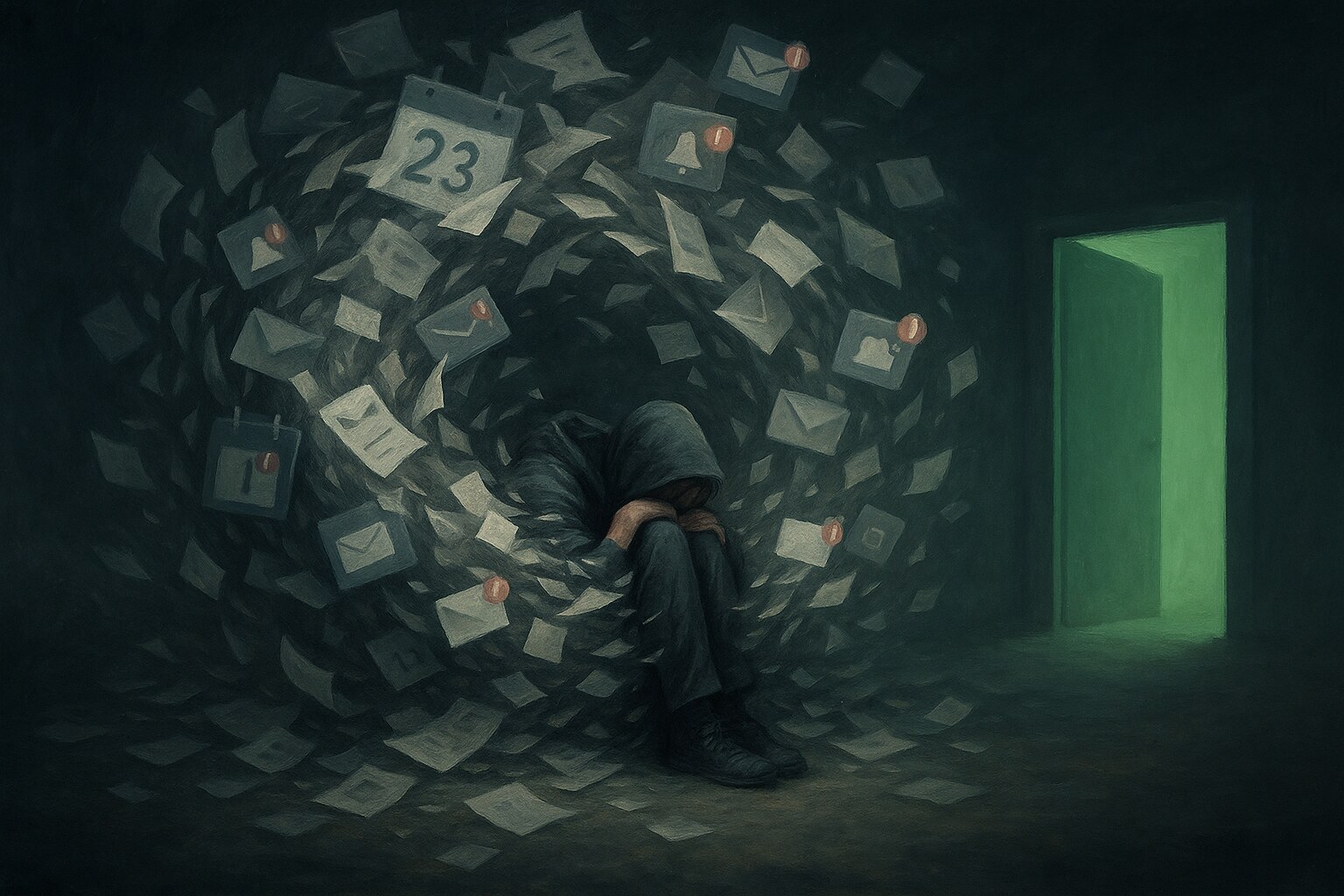
The founder bragging about four hours of sleep is not telling you how tough they are. They are telling you their next decision will be worse than it should be — they just can't feel it yet.
There is a story the ambitious tell themselves, and it goes like this: sleep is time. Time I could be working. Time my competitor might be working. So I'll take it from the one place that doesn't complain — the pillow. Six hours. Five. Four, during the big push. It feels like discipline. It feels like wanting it more. It is, in fact, the most expensive mistake a founder can make, and the cruelest part is that it disguises itself as virtue.
The False Economy
Sleep deprivation does not announce itself. Unlike hunger or pain, a tired brain does not know it is tired — it simply performs worse while feeling fine. Studies on sleep-restricted decision-making are brutal: after two weeks of six-hour nights, cognitive performance drops to the level of someone legally drunk, yet the subjects rate themselves as only slightly off. You do not experience your own impairment. You just make slightly worse calls, all day, and call it a bad week.
For someone whose entire job is judgment — what to build, who to trust, when to push, when to walk away — this is not a minor tax. It is a corruption of the single instrument the business depends on. The exhausted founder isn't grinding harder. They're playing the most important game of their life slightly drunk, every day.
Insight
You cannot out-hustle exhaustion. Every hour stolen from sleep is repaid, with interest, in degraded decisions the next day — and you won't even feel the withdrawal.
Sleep Compounds
The wealthiest, longest-surviving founders almost universally protect their sleep — not because they're lazy, but because they've played long enough to see the math. Good decisions compound. A rested mind makes marginally better calls, and marginally better calls, repeated over a decade, are the entire difference between the founder who endures and the one who burns out at year three. This is the same logic behind doing one thing exceptionally well — small advantages, compounded ruthlessly over time.
The science behind why is now overwhelming, and one book made the case so completely it changed how a generation of high performers treats rest:
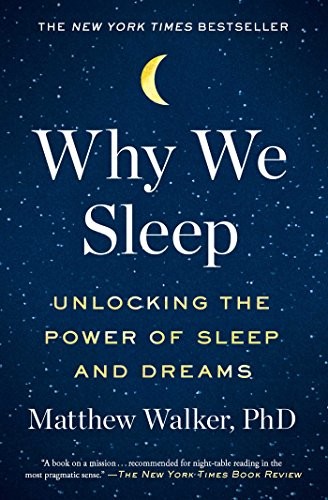
The neuroscientist's definitive case: sleep is not downtime — it is when the brain consolidates, decides, and repairs. The evidence is overwhelming.
Rest Is an Environment, Not a Willpower Problem
Here is the reframe that changes everything: you don't sleep better by trying harder. Willpower is useless at 11pm. You sleep better by engineering the environment so that good sleep becomes the path of least resistance — exactly how a good business is built on systems, not heroics.
Start with how you wake. A jarring alarm floods you with stress before your eyes open; a gradual sunrise does the opposite, easing your rhythm toward morning:

Wake with light instead of a jolt. A gradual sunrise resets your rhythm so mornings start with clarity, not cortisol.
Then remove the light your body was never meant to sleep in. Total darkness is the oldest signal for melatonin, and it costs almost nothing to reclaim:
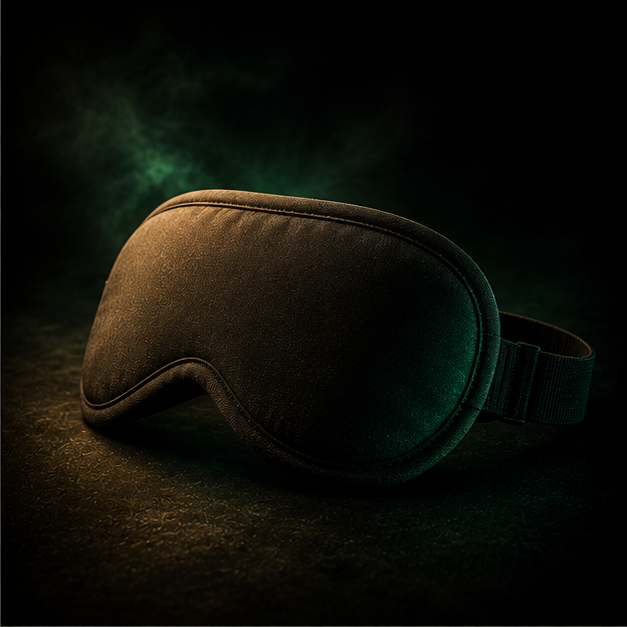
Total darkness triggers the melatonin your screens suppress. A few dollars for measurably deeper sleep — the highest ROI purchase on this page.
The Wind-Down Protocol
The hours before bed decide the sleep that follows. The enemy is light — specifically the blue wavelengths from screens that tell an ancient brain it is still midday. You can't always close the laptop early, but you can change what reaches your eyes:
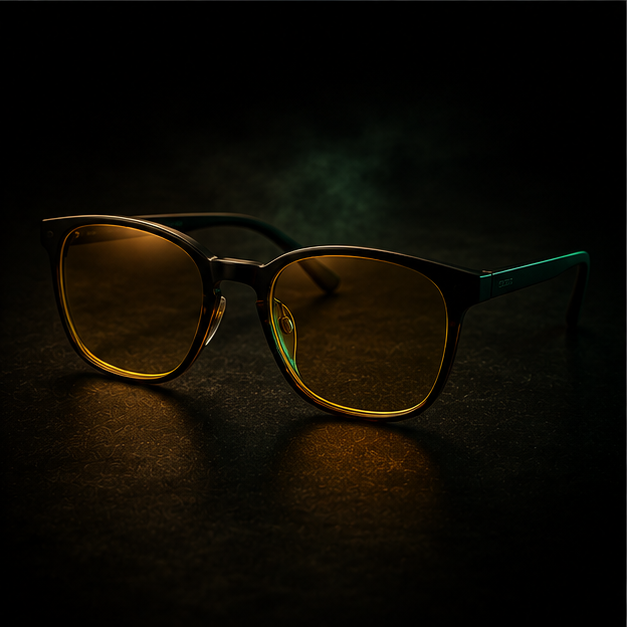
Evening screen light tells your brain it is noon. Amber lenses in the last hours protect the wind-down your body is trying to start.
And the surface itself matters more than its humble price suggests. You spend a third of your life on it; it is the least glamorous, most repeated variable in your entire performance stack:
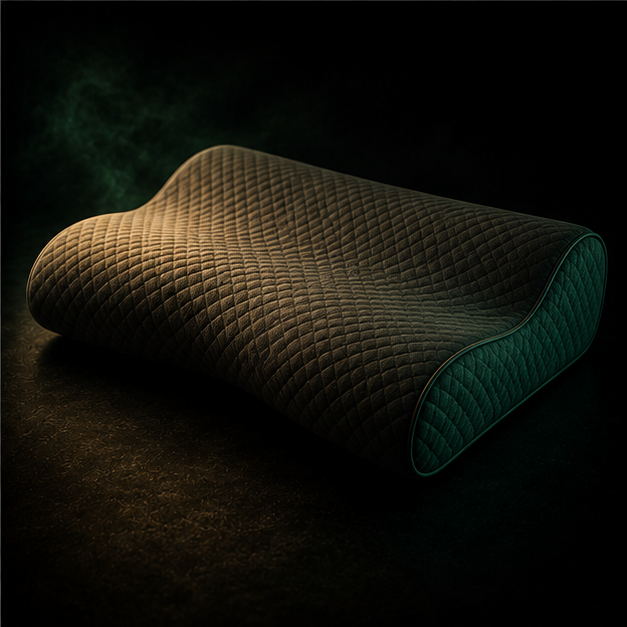
You spend a third of your life here. The one variable you can upgrade tonight for sleep that actually restores.
The Discipline of Stopping
The hardest skill for an ambitious person is not starting. It is stopping. Closing the laptop while the to-do list is still long feels like failure — but it is the opposite. Stopping is what protects the instrument. The founder who knows how to end the day is the one who still has sharp judgment in year ten, while the grinders have long since traded their clarity for the illusion of productivity.
Every billionaire sleeps. Not because they earned the right to rest, but because rest is how they kept earning. Broke founders grind through the night and wonder why the big decisions keep going wrong. Close the laptop. Protect the instrument. The work will still be there in the morning — and you'll be sharp enough to do it well. If systems over heroics resonates, it's the spine of the entire one-person operating manual.