
Your software is free. Your competitor's software is free too. The last thing money still buys — the only thing — is how real you seem when someone finally pays attention.
We have spent two years celebrating the collapse of cost. AI writes the first draft. Templates replace the designer. A seven-layer software stack that once required a team now runs for the price of two coffees a week. And it is true, and it is wonderful, and it has quietly created a new problem: when everyone can produce infinitely, production itself is worth nothing. What remains scarce is presence — the sense, transmitted in the first few seconds, that there is a competent human on the other end.
The Presence Premium
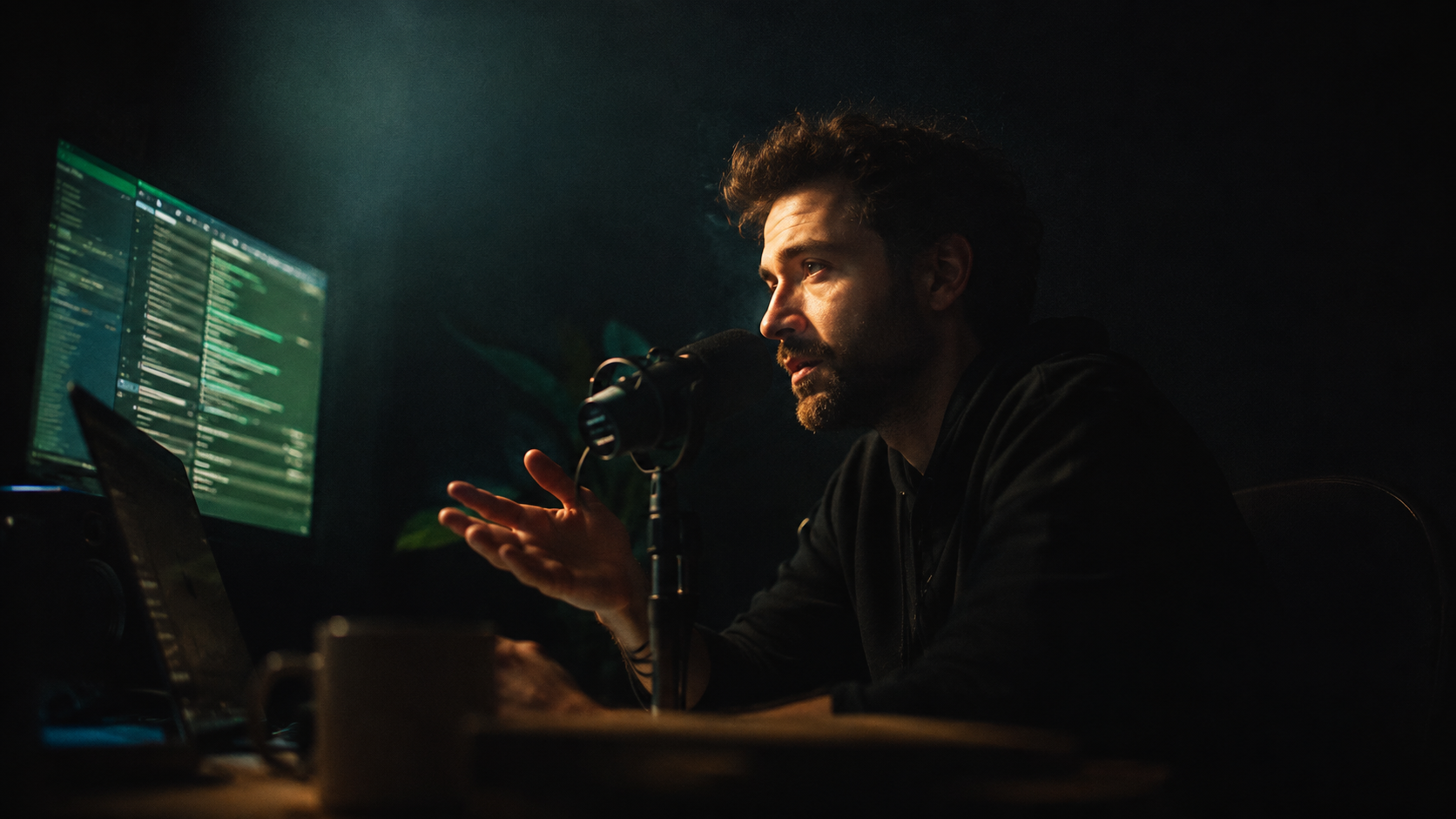
Consider what actually happens when a stranger meets your business. They click a video. They join a call. They press play on an episode. In that first moment, before a single idea has been exchanged, a judgment is already forming — and it is not about your argument. It is about your signal. Muddy audio, a dim face, a laptop mic that makes you sound like you are calling from inside a drum: each of these is a tax on trust, paid before you have said anything worth hearing.
This is not vanity. It is game theory. In a market flooded with content, the audience cannot evaluate everyone's substance — so they use proxies. Clear sound is a proxy for competence. Good light is a proxy for seriousness. These signals are cheap to fake and yet almost nobody bothers, which is precisely why bothering works. The psychology of being chosen runs on exactly this kind of instant, pre-rational read.
Insight
Software makes you productive. Hardware makes you believed. In an economy where everyone can publish, the person who sounds and looks credible wins the attention that substance then converts.
The Voice (Start Here)
If you buy one thing, buy a microphone. Not because sound is more important than ideas, but because bad sound is the fastest way to lose someone before your ideas arrive. The human ear forgives a mediocre image far more than it forgives bad audio; we will watch a blurry video with great sound and abandon a beautiful one that hisses.
For anyone who moves — talking to camera, walking, presenting — a wireless lav removes the excuse:
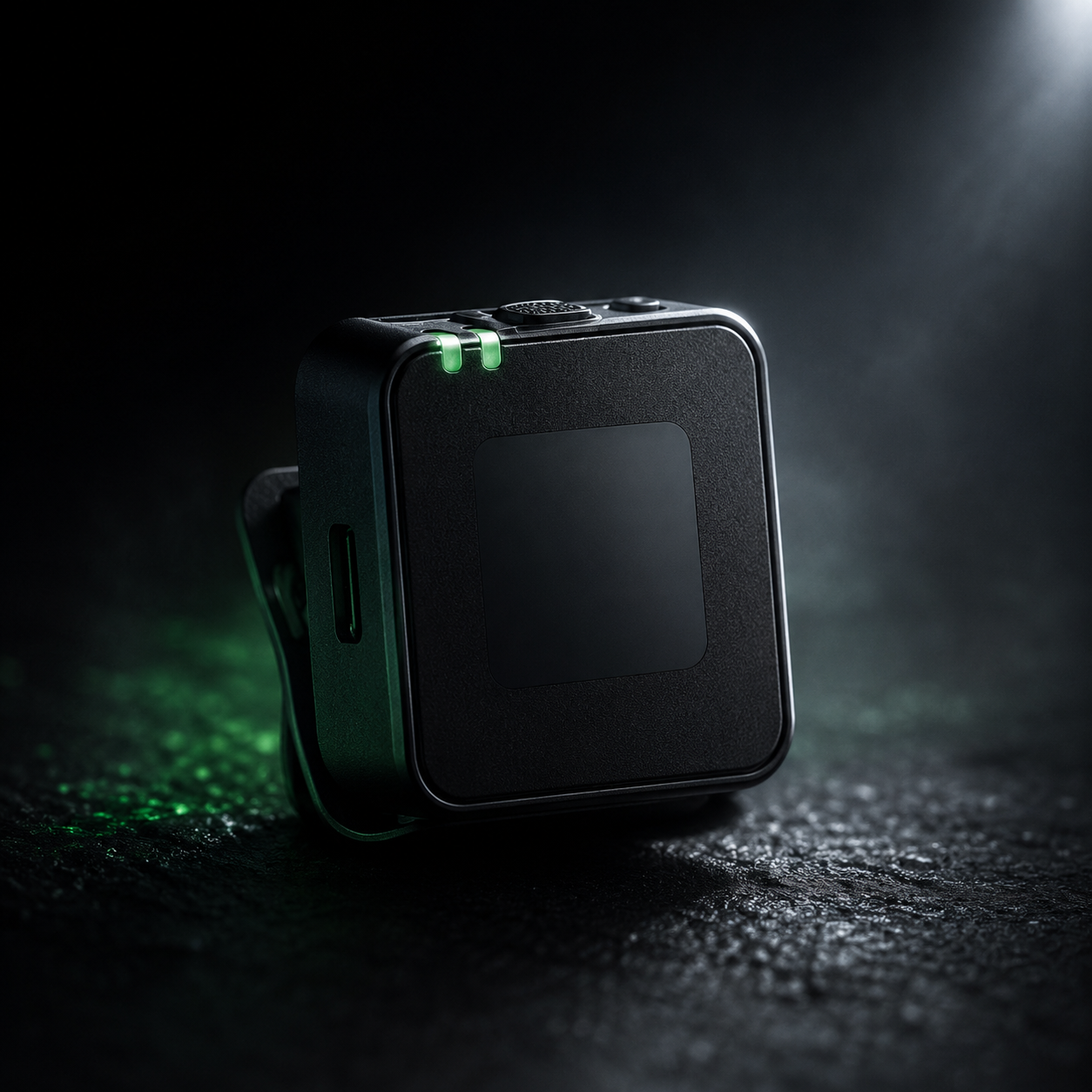
The wireless lav that half of YouTube runs on. Clip it on, walk away, sound broadcast-clean. The single highest-leverage upgrade to how you're perceived.
For anyone anchored to a desk — podcasting, calls, recording from one spot — a dynamic broadcast mic is the move. It hears you and ignores the room:
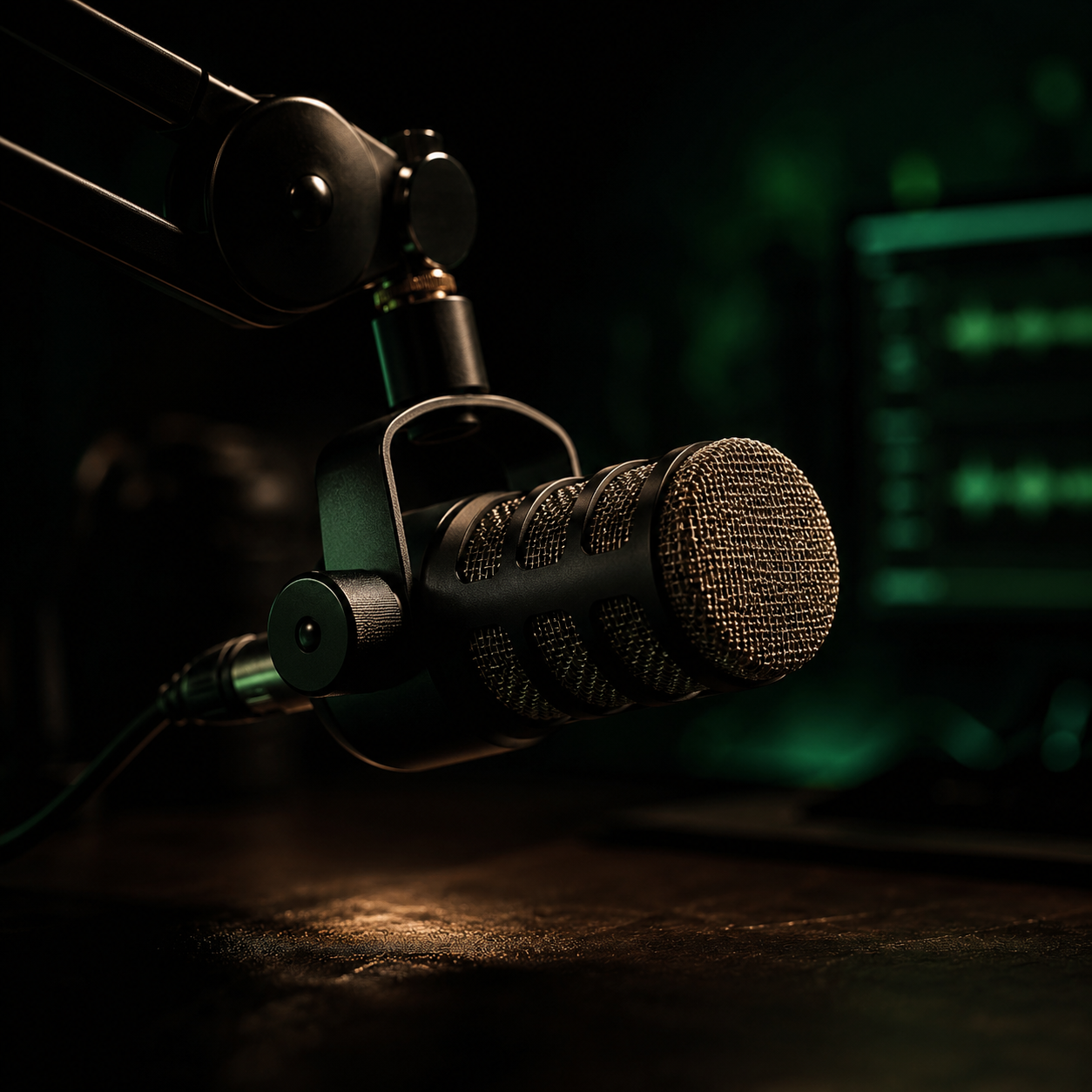
If you work at a desk, a dynamic broadcast mic rejects the room and keeps only you. Sits between you and the world at podcast quality for the price of a dinner.
The Face
Your built-in laptop camera was designed to a price, not to a standard. It announces "amateur" in the half-second before you speak — and that half-second is when trust is decided. A dedicated 4K webcam is the least glamorous, most effective upgrade to every sales call, every course lesson, every piece of video you will ever ship.
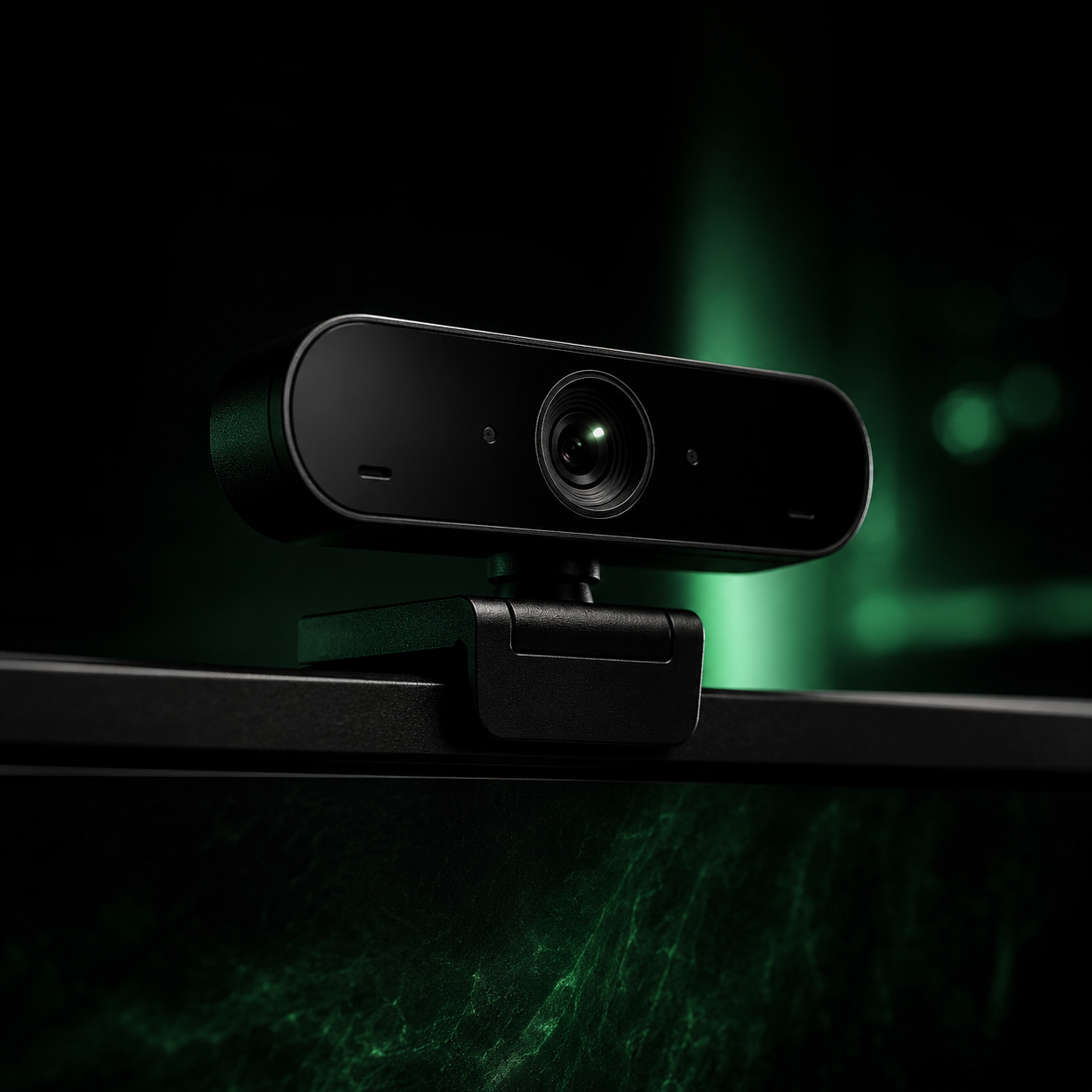
Your laptop camera says "amateur" before you say a word. A real 4K webcam says "professional" in the first half-second of every call and every video.
The Light
Here is the counterintuitive truth every filmmaker knows: the cheapest camera with good light beats the most expensive camera in the dark. Light is the variable that does the most work and gets the least attention. One controllable key light turns a gloomy home office into something that reads as a studio — and it does so on every single frame, forever.
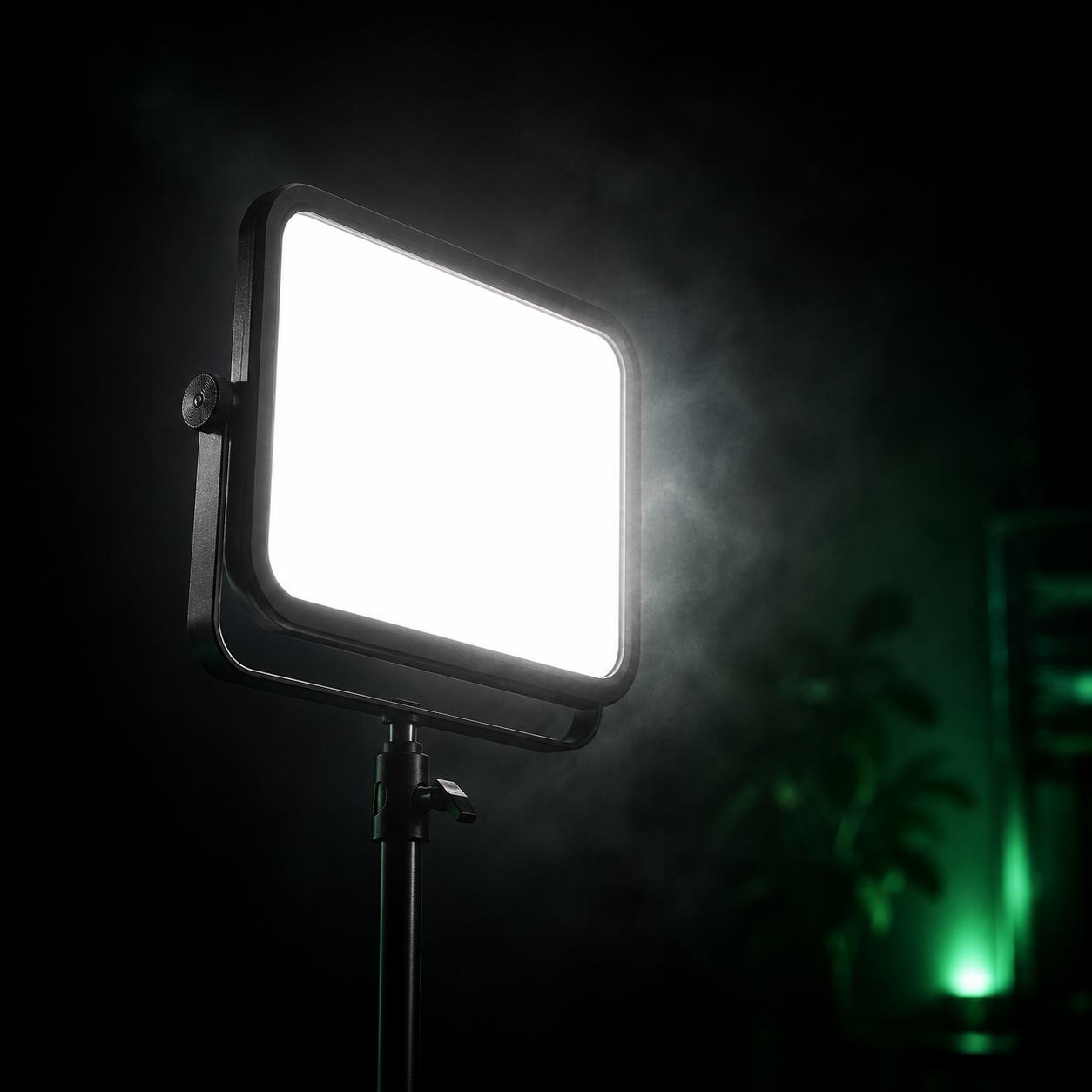
The cheapest camera with good light beats the best camera in the dark. One controllable key light is the difference between "webcam" and "studio."
The Discipline of Enough
And now the most important section, the one the gear reviewers will never write: stop. The trap of equipment is identical to the trap of software — the belief that the next purchase is the one that unlocks you. It is not. Three good tools used daily beat ten great tools used never. This is the same principle that governs a focused business: the unreasonable advantage of doing one thing applies to your desk as much as your strategy.
The only accessory worth adding is the one that removes friction — because friction is what kills consistency, and consistency is the entire game. A boom arm is not a luxury; it is the reason the microphone gets used at 7am instead of staying in the drawer:
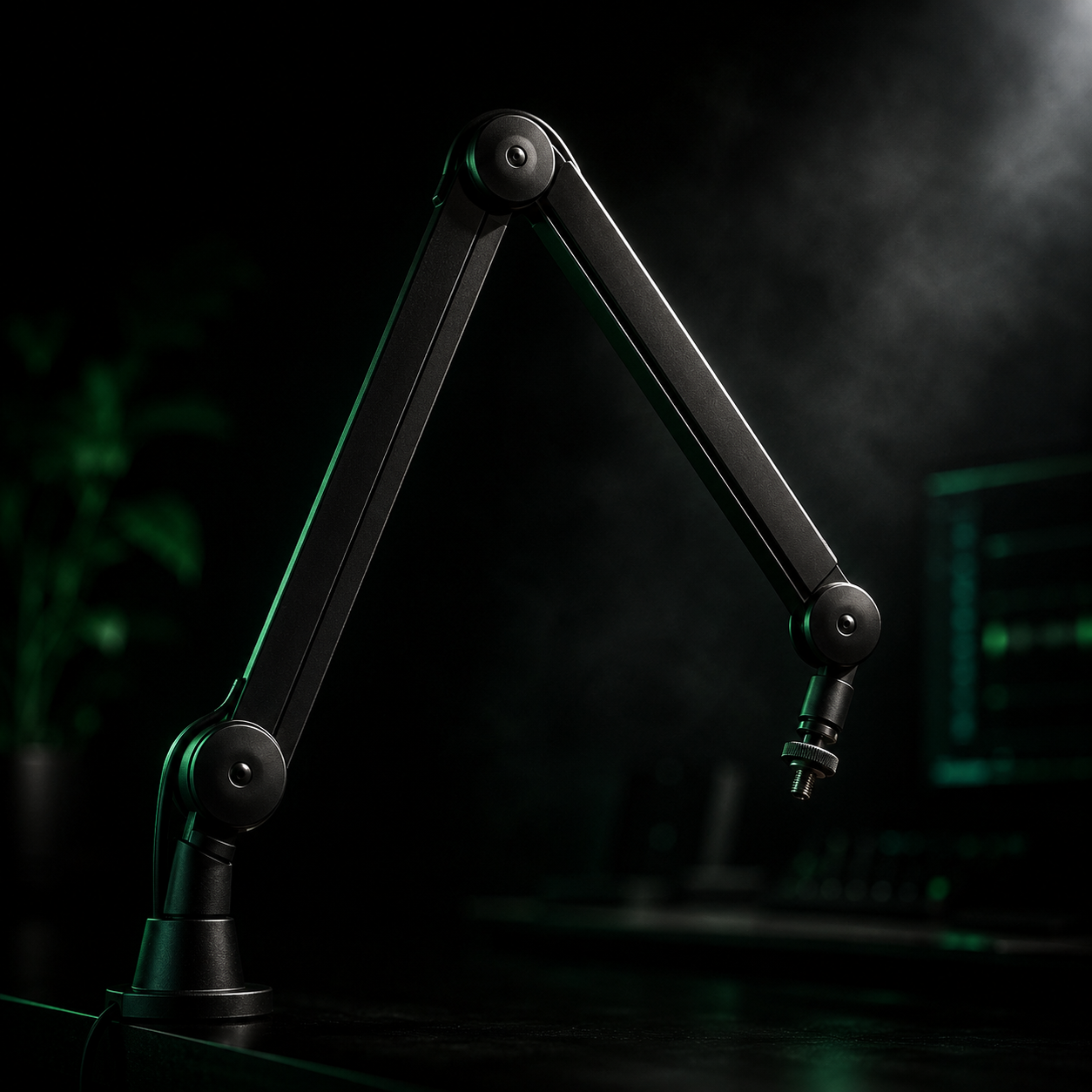
Not glamorous. But a boom arm is what makes you actually use the mic every day — friction removed is consistency gained.
What It Actually Buys You
None of this makes you smarter. That is the point. It makes your existing intelligence legible — audible, visible, credible — to people deciding in seconds whether you are worth their time. In a world where the marginal cost of content is zero, the return on looking and sounding like you mean it is the highest-leverage spend left to a solopreneur.
Buy the microphone first. Add light. Add a real camera when the calls matter. Then close the tab and go make something. The gear is not the work — it is only the difference between doing the work in a whisper and doing it in a voice people trust. When you are ready to build the system that turns that trust into revenue, start with your one-person operating manual — and let the tools disappear behind the message.