
You already won the deal. You just never went back for it.
Here is the quiet truth almost nobody in business wants to sit with: most of the money you've lost didn't walk away because someone said no. It drifted off because someone said "let me think about it" — and you never followed up. You pitched well. You answered the questions. And then you went silent, because going back felt like begging.
It wasn't begging. It was the job. The pitch is the easy part. The follow-up is the whole business.
Why Founders Ghost Their Own Deals
Watch a solopreneur who's great in the room. The energy is there, the pitch lands, the prospect leans in. Then the meeting ends, and something strange happens: the founder disappears. One soft "let me know if you have questions," and then nothing. Days pass. The deal cools. It dies — not from rejection, but from neglect.
We tell ourselves it's politeness. "I don't want to be pushy." "I don't want to seem desperate." But peel that back and it's rarely politeness. It's fear wearing a nice suit. The fear that if you follow up and they say no, the no becomes real. So you leave it ambiguous, where hope still lives, and you call that respect.
Here's what a missing follow-up actually communicates: I don't believe in my own value enough to come back for it. The prospect feels that. Silence isn't neutral — it reads as doubt. If you won't fight for the deal, why should they?
"I'll Think About It" Is a Door, Not a Wall
When a buyer says "I'll think about it," most founders hear a soft no and quietly file it away. That's the mistake. A slow no is a door left ajar, not a wall. There's light coming through the gap. Someone just has to walk back and push it open.
And the thing that opens it is almost never a better pitch. You don't win the deal by re-explaining why you're great — they already heard that. You win it by showing up again, usefully, at the moment the noise of their day has settled and your pitch is the only thing still standing because you kept it standing.
The founders who close consistently aren't better talkers. They're better at the conversations most people avoid — and the follow-up is the one almost everyone avoids.

The Follow-Up That Doesn't Feel Like Begging
Here's the reframe that changes everything: a good follow-up brings something. A bad one asks for something.
"Just checking in" asks for something. It puts the burden on them — now they have to produce a decision, a reason, a reply. It's you, standing at the door, waiting. Nobody wants to answer that.
A follow-up that lands does the opposite. It arrives carrying value: a relevant article, a quick idea about their problem, a case that mirrors their situation, an answer to the exact hesitation they didn't say out loud. You're not knocking to collect. You're knocking to give. The ask becomes implicit — because the moment you've been genuinely useful, continuing the conversation is the natural next step, not an imposition.
This is the same discipline that makes pricing from confidence instead of fear work: you behave like someone whose time and solution are worth returning for. Value-forward follow-up is just that belief in motion.
The System: When, How Many Times, What to Say
Discipline beats charisma here, so give it a system instead of a mood. A simple cadence that works:
Day 2 — The warm recap. Short. "Great talking yesterday. Here's the one thing I'd focus on first for you —" and then give it. No pressure, just value and a reminder that you were listening.
Day 7 — The useful nudge. Send something that helps whether or not they buy: a resource, an angle, a relevant example. This is the one that separates you from everyone who sent "just following up!"
Day 16 — The honest check. Direct and clean: "I don't want to chase you, so I'll make it easy — is this still something you want to move on, or should I close the file for now?" This respects them and reclaims your time. People respond to a clear door far more than a vague one.
Then let go — properly. If the answer is still silence, send one graceful close: "No worries at all — I'll leave it here. The door's open if the timing changes." You lose nothing. You stay memorable precisely because you didn't grovel. Half of those come back months later, because you were the one who stayed professional when the deal went quiet.
The number isn't the point. The posture is: you keep showing up with value, a fixed number of times, then you exit with dignity. That's not harassment. That's a clear, consistent pattern — the kind people trust.
The Compound Effect of Going Back
Think about the economics for a second. The hardest, most expensive part of any sale is getting someone warm — the attention, the first meeting, the trust to even consider you. You already paid that cost. A prospect who said "I'll think about it" is the cheapest, warmest lead you will ever have. Letting them go cold is like doing expensive work and throwing away the result.
Follow-up is the lowest-cost, highest-return activity in your entire business. You're not finding new people — you're converting ones who were already most of the way there. Do it consistently and your close rate climbs without a single extra lead, because the relationships you nurture are the ones that pay.
And the ones who buy because you followed up? They become the clients worth keeping — the ones who refer, who come back, who remember that you were the one who showed up. Winning the deal and keeping the relationship start in the same place: you came back.
It's Not Selling. It's Memory.
Strip away the sales language and the follow-up is something simpler and more human. It's keeping your word to come back. It's refusing to let a person who trusted you with their attention slip into the void of your busy week.
Most deals are won in the follow-up because most people never do it. They let their best opportunities fall out of their head and call it busy. But the founders who build something lasting treat the follow-up as sacred — not because they're pushy, but because they finish what they start.
You already did the hard part. You got them to lean in. Now go back and open the door. It's still ajar. The light's still on. Someone just has to walk through it — and it should be you.
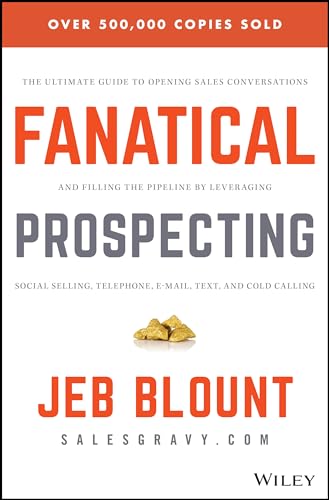
The clearest book ever written on the discipline most founders avoid: showing up, again and again, with value. If the follow-up is the whole business, this is the operating manual.
View on Amazon →As an Amazon Associate, Corpify earns from qualifying purchases.